

Maldives
Turquoise waters, white sand beaches, and luxury overwater villas.
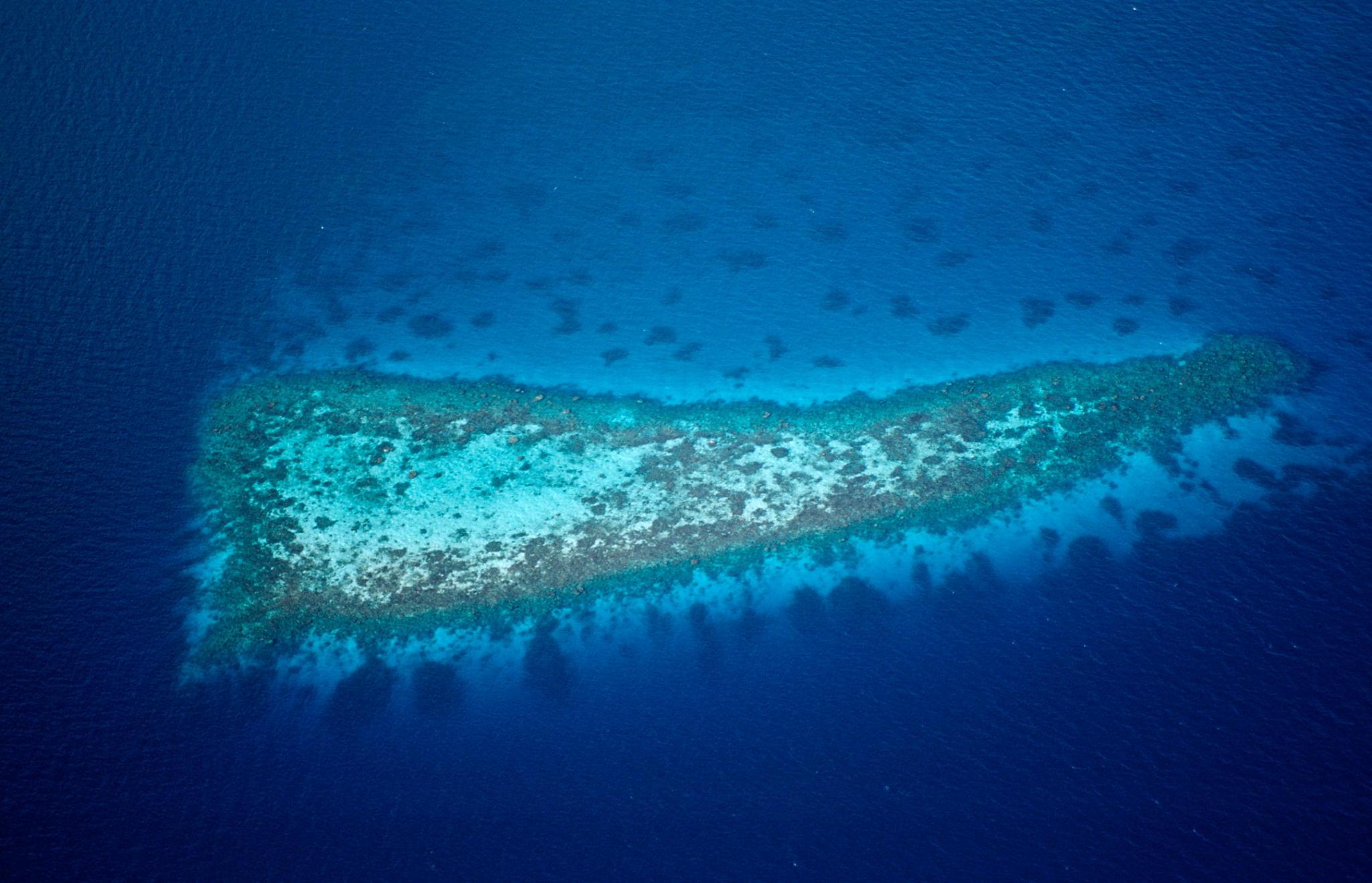
Coral Atolls – Natural Architecture
The Maldives consists of ring-shaped coral atolls formed over submerged volcanoes. These formations create natural lagoons protected from open-ocean waves, producing calm, crystal-clear waters. Each atoll functions as a self-contained ecosystem where marine life, sandbanks, and reefs exist in balance. Sightseeing here means observing nature’s engineering, not human construction.
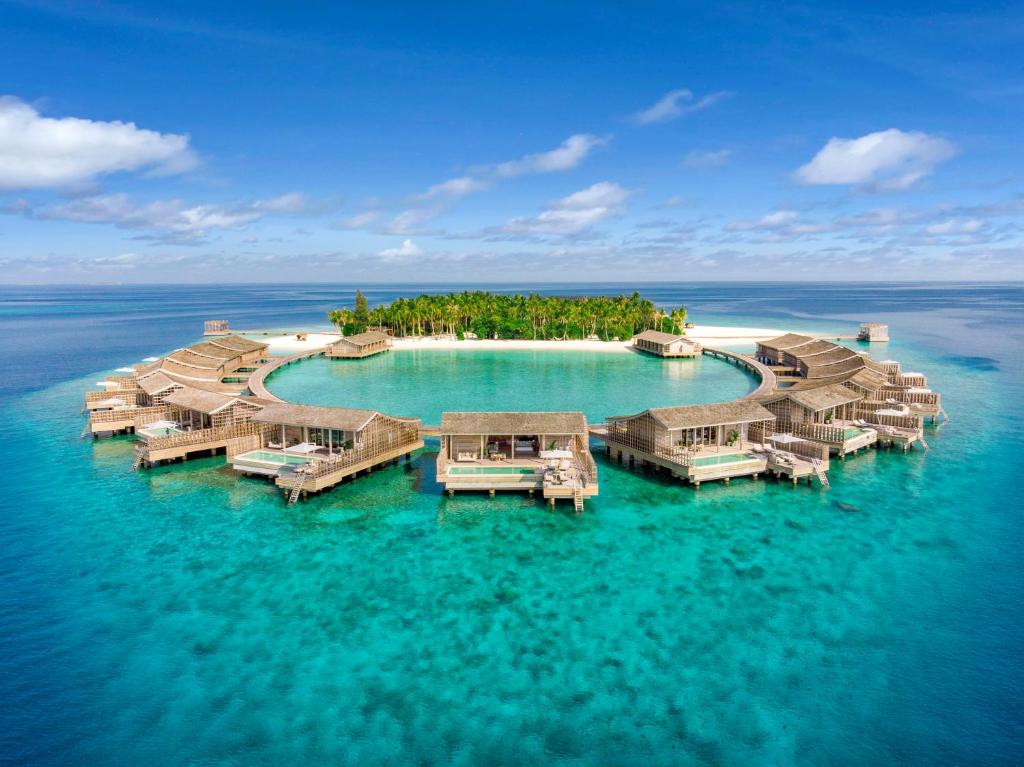
Lagoon Islands – Isolation and Scale
Individual islands are extremely small, often walkable in minutes. This creates a rare sense of scale where the horizon dominates and human presence feels minimal. The visual experience is defined by uninterrupted ocean views, shifting light, and water color gradients that change throughout the day.
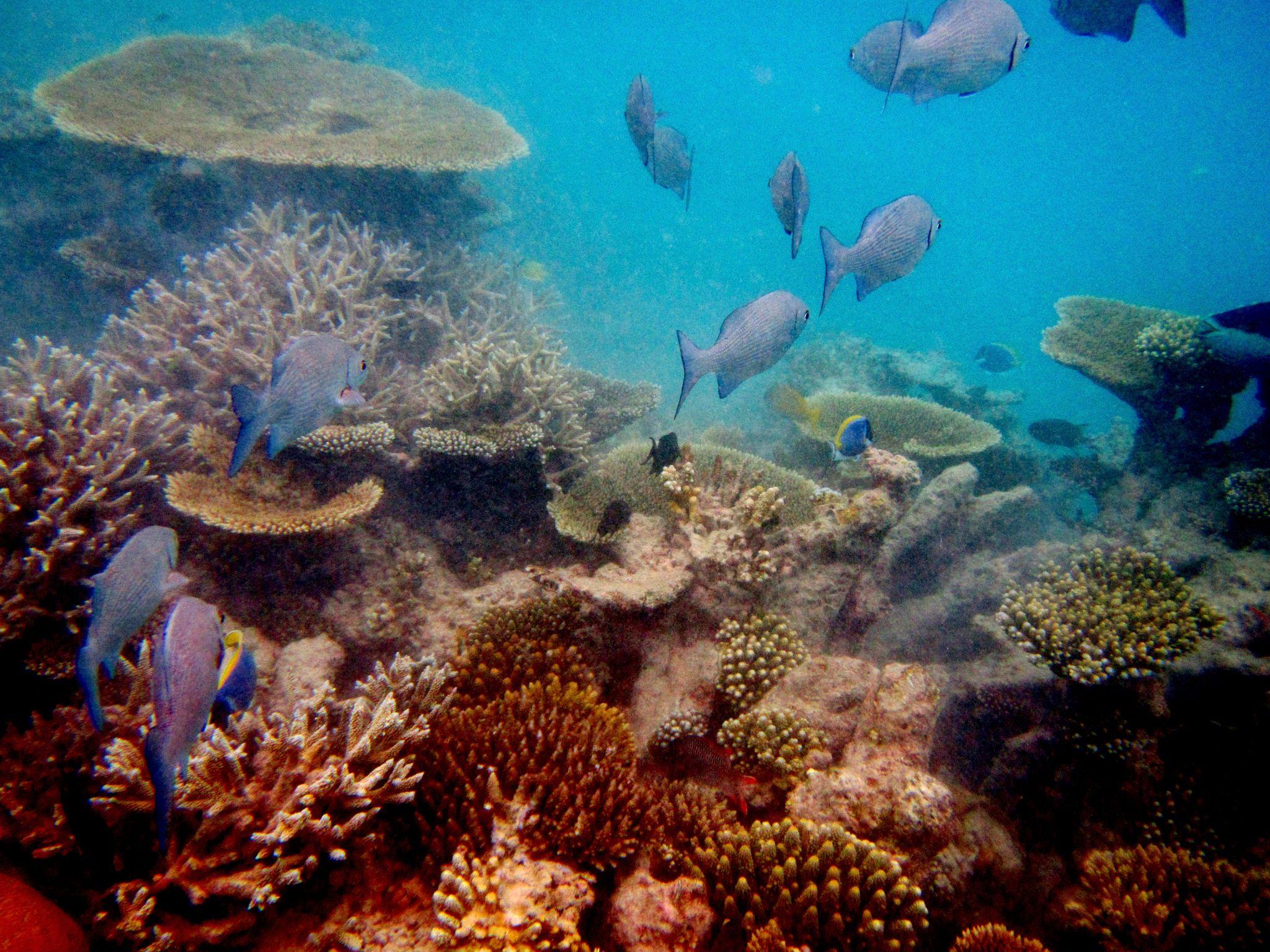
Reef Systems – Living Landscape
Coral reefs act as natural barriers and habitats. They shape the coastline, protect islands from erosion, and support marine biodiversity. Snorkeling or viewing reefs is equivalent to sightseeing in other countries—it is how visitors engage with the Maldives’ most important “landmark.”
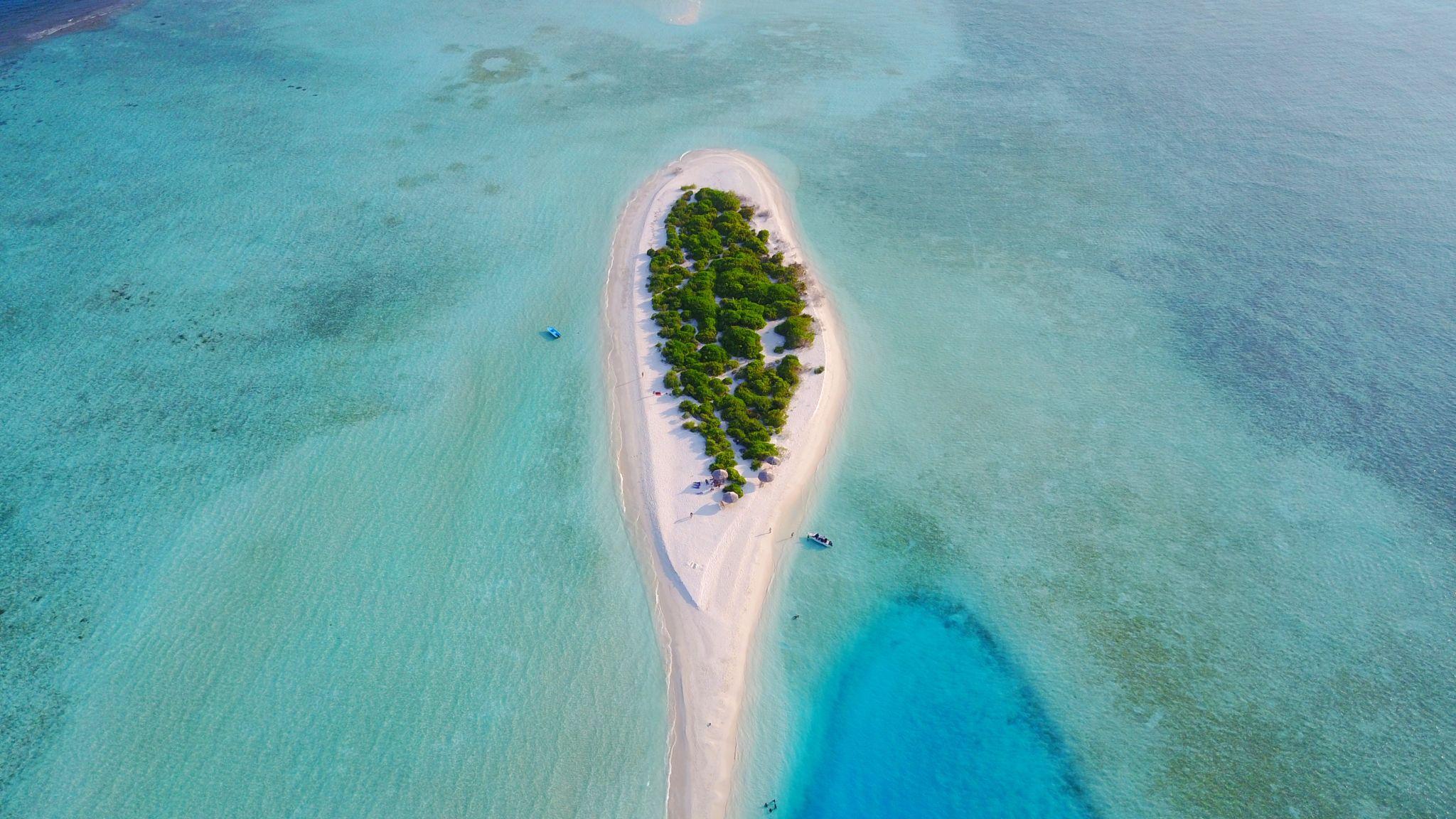
Sandbanks – Temporary Geography
Sandbanks are shifting islands of pure white sand that appear and disappear with the tides. They represent the transient nature of the Maldivian geography, offering a unique experience of isolation in the middle of the ocean.
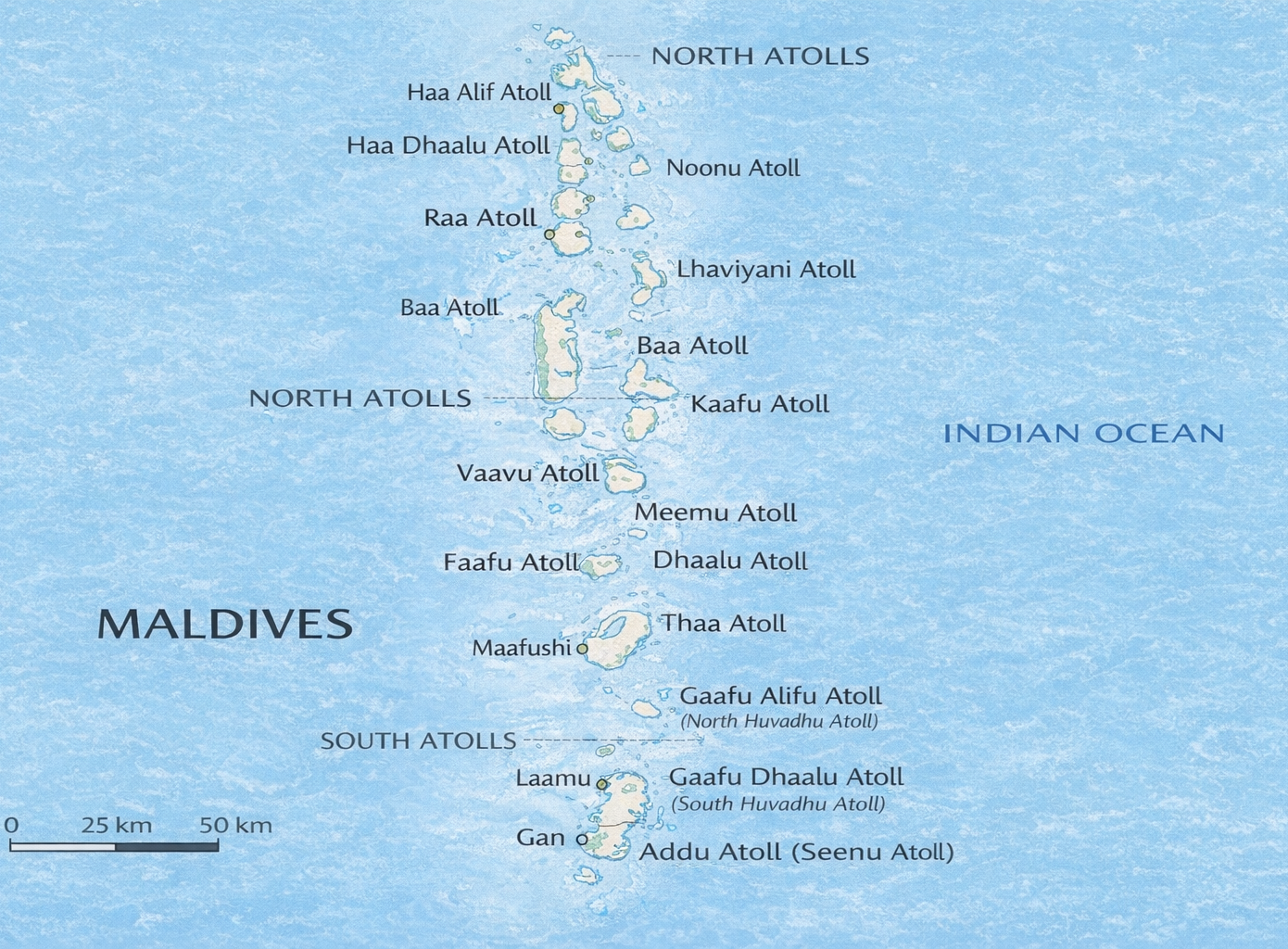
A String of Pearls in the Indian Ocean
The Maldives is unique because the environment itself is the destination. There are no ancient ruins or monumental cities; instead, the geography defines the experience. In the Maldives, sightseeing is not about places you visit but environments you exist within.
📍 Coral Atolls – Natural Architecture
The Maldives consists of ring-shaped coral atolls formed over submerged volcanoes. These formations create natural lagoons protected from open-ocean waves, producing calm, crystal-clear waters. Each atoll functions as a self-contained ecosystem where marine life, sandbanks, and reefs exist in balance. Sightseeing here means observing nature’s engineering, not human construction.
📍 Lagoon Islands – Isolation and Scale
Individual islands are extremely small, often walkable in minutes. This creates a rare sense of scale where the horizon dominates and human presence feels minimal. The visual experience is defined by uninterrupted ocean views, shifting light, and water color gradients that change throughout the day.
📍 Reef Systems – Living Landscape
Coral reefs act as natural barriers and habitats. They shape the coastline, protect islands from erosion, and support marine biodiversity. Snorkeling or viewing reefs is equivalent to sightseeing in other countries—it is how visitors engage with the Maldives’ most important “landmark.”
📍 Sandbanks – Temporary Geography
Sandbanks are shifting islands of pure white sand that appear and disappear with the tides. They represent the transient nature of the Maldivian geography, offering a unique experience of isolation in the middle of the ocean.