

Kenya
Safari adventures, wildlife, and the Great Migration.
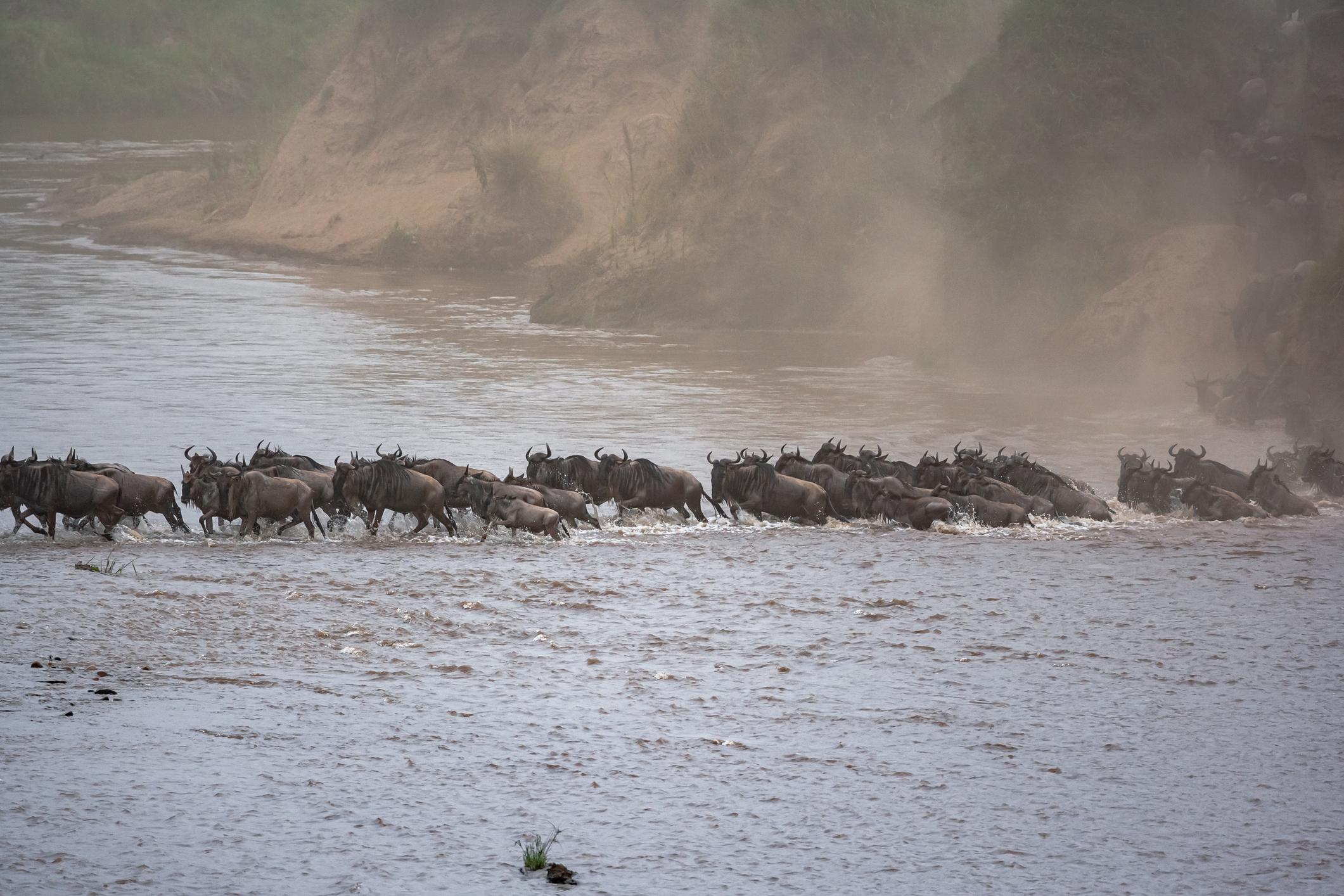
Masai Mara – Living Ecosystem
The Masai Mara is not a static reserve but a dynamic landscape shaped by seasonal migration. The Great Migration is a continuous cycle driven by rainfall, grass growth, and survival instinct. Rivers, plains, and predator zones form natural corridors where wildlife behavior can be observed in real time. The landscape itself dictates movement, making every visit different.
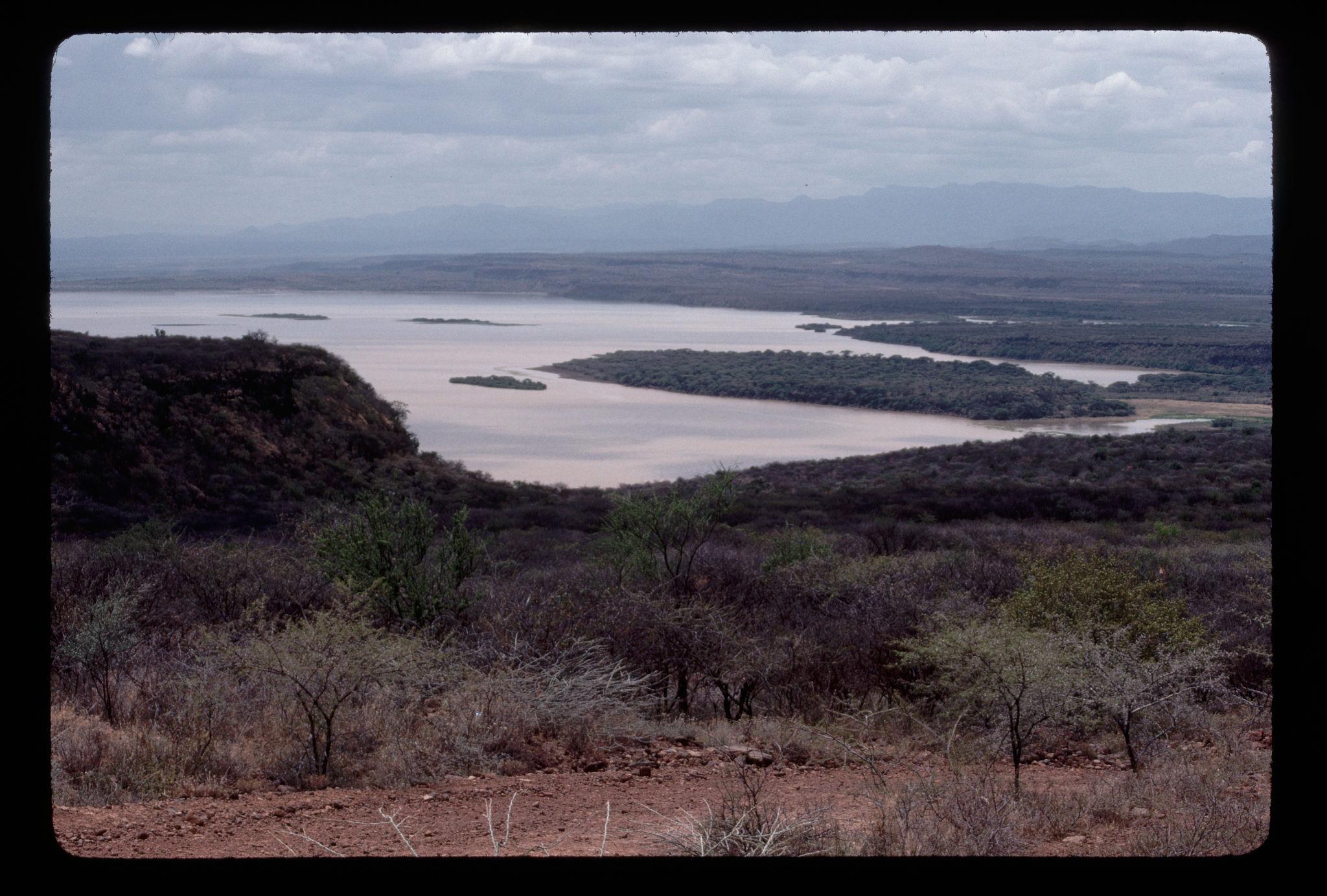
Great Rift Valley – Geological History
The Rift Valley is a massive geological fracture that shaped East Africa. Lakes, escarpments, and volcanic formations reveal millions of years of earth movement. This region is crucial for understanding human evolution, as early hominid fossils were discovered here. Sightseeing in the Rift Valley connects travelers to deep planetary history.
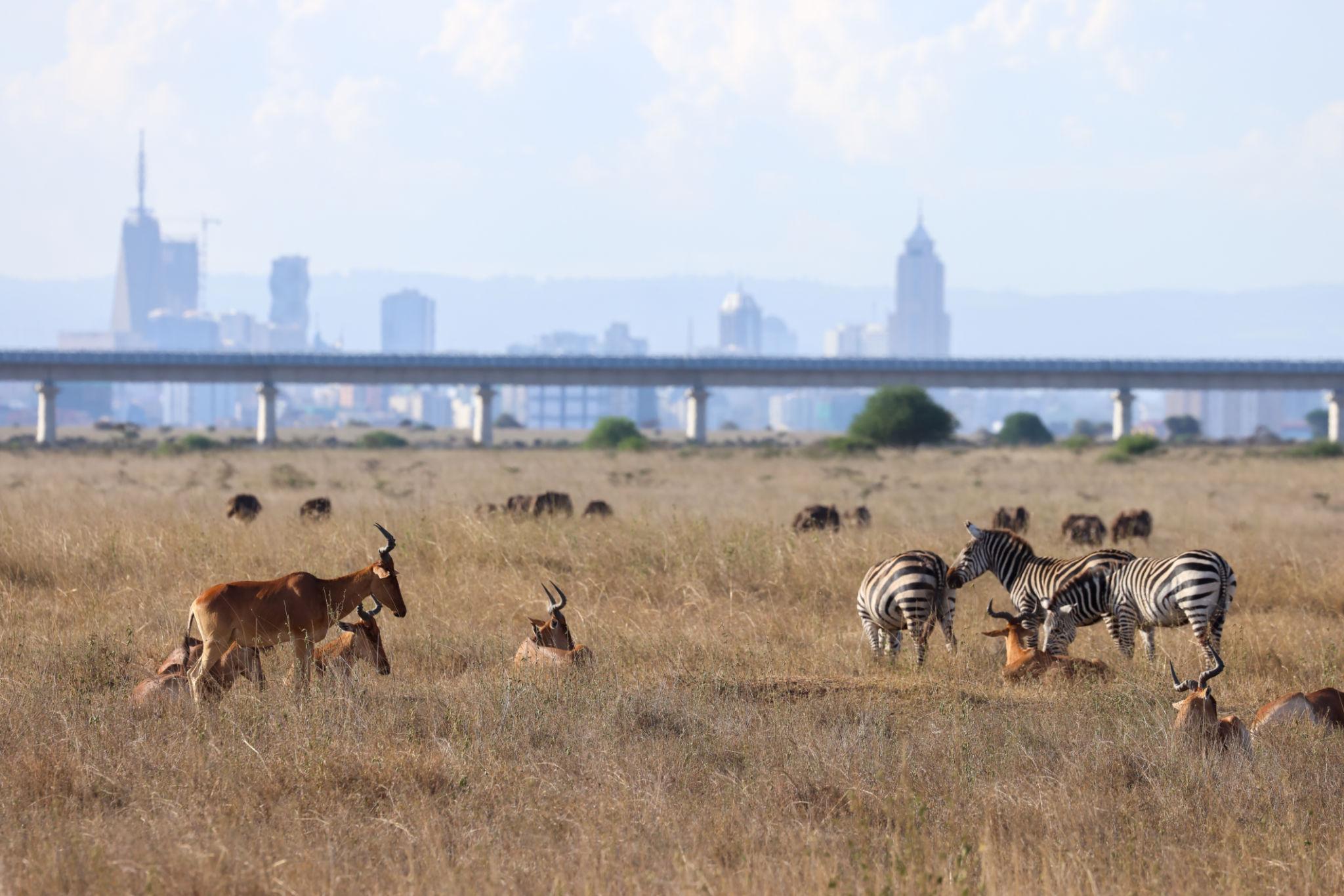
Nairobi National Park – Conservation Contrast
Nairobi National Park's significance lies in contrast: wildlife exists beside a modern city skyline. This illustrates Kenya's conservation philosophy, where urban development and wildlife preservation coexist. The park represents modern Africa's challenge of balancing growth with ecological responsibility.
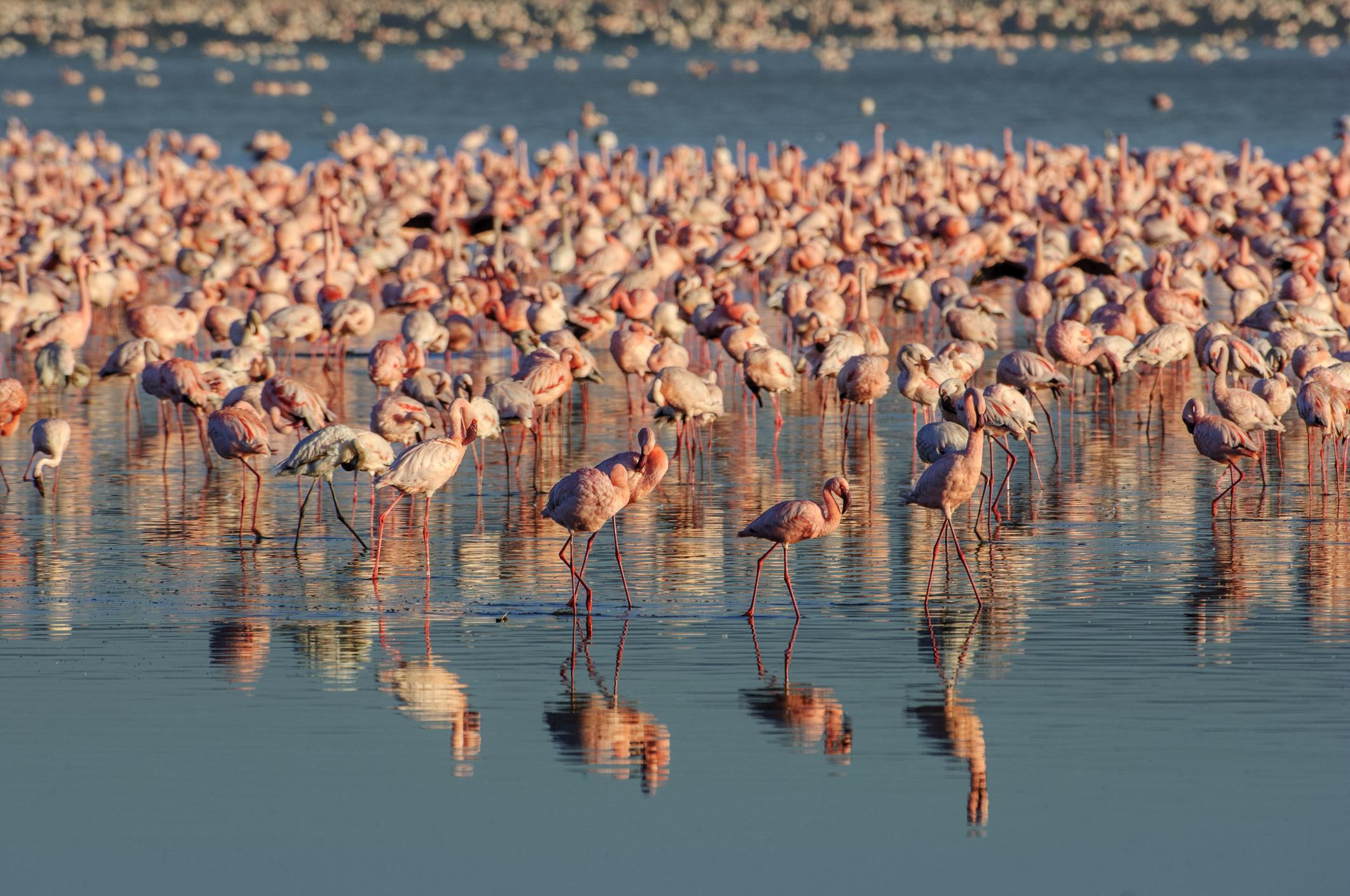
Lake Nakuru – Flamingo Sanctuary
Lake Nakuru is famous for its massive flocks of flamingos that create a pink shoreline. The alkaline lake supports unique ecosystems and is also a sanctuary for endangered black and white rhinos. The lake demonstrates how specific environmental conditions create specialized wildlife habitats.
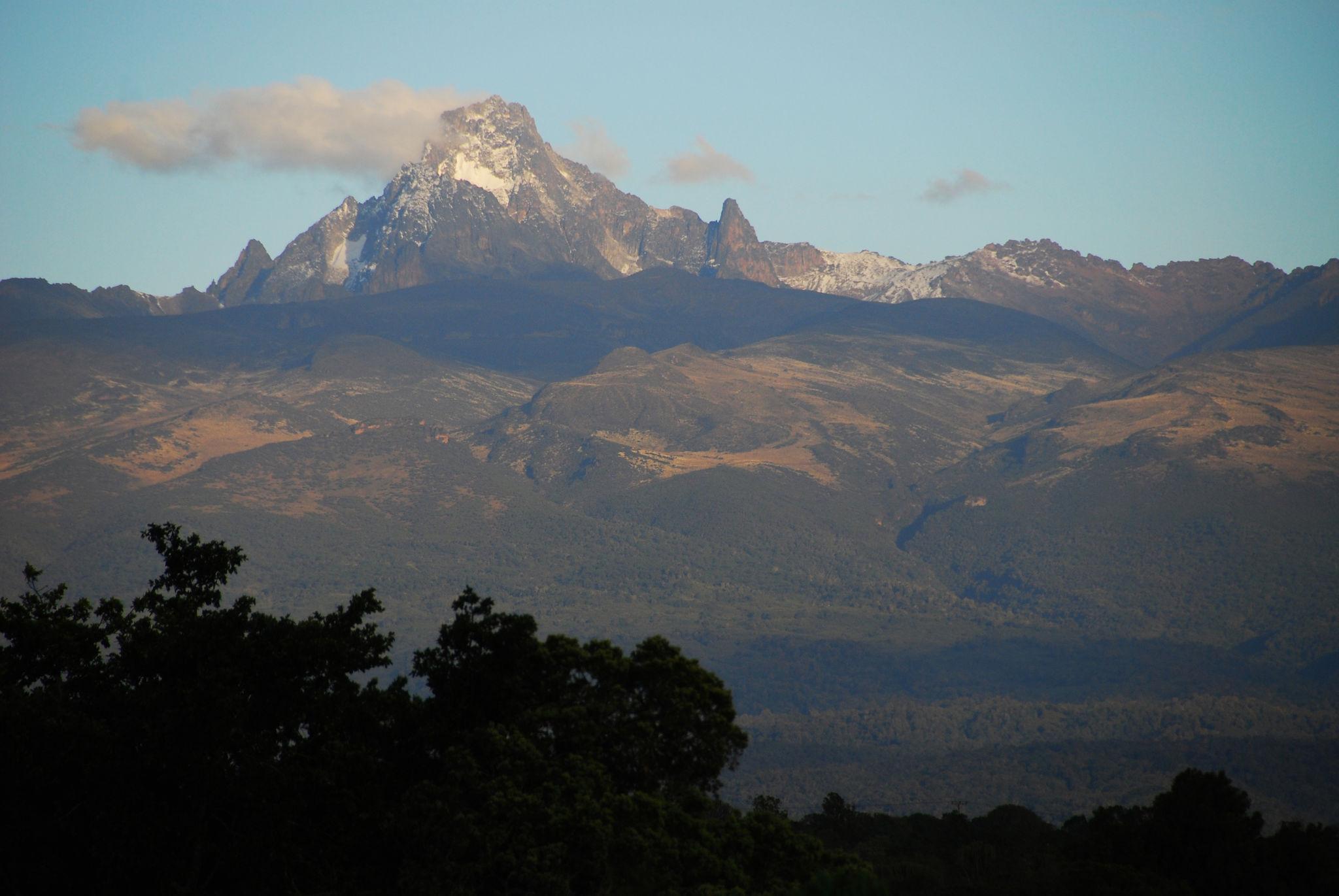
Mount Kenya – Sacred Highlands
Mount Kenya is Africa's second-highest peak and holds deep cultural significance for the Kikuyu people. The mountain's diverse ecosystems range from tropical forests to alpine zones, showcasing dramatic elevation-based biodiversity. Mount Kenya represents both natural majesty and spiritual heritage in East Africa.
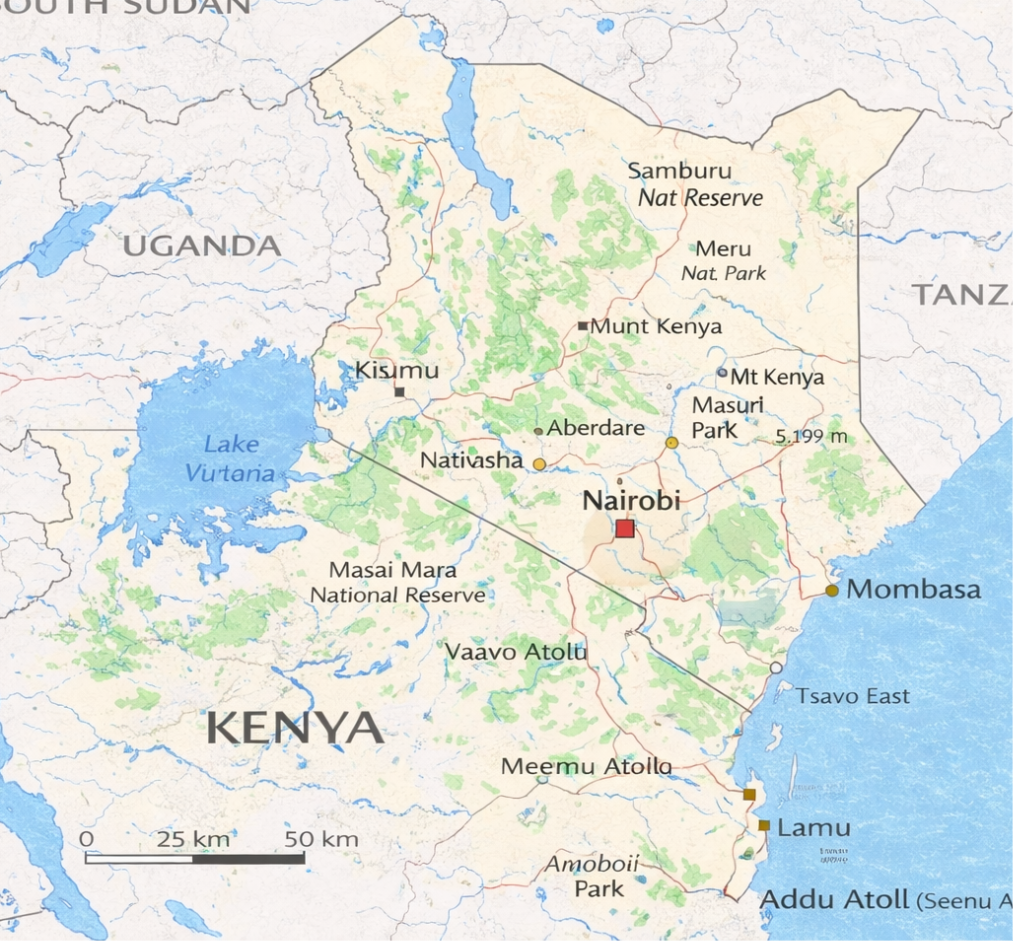
Wild Heart of Africa
Kenya’s places are defined by movement, scale, and survival. Unlike urban or monument-based destinations, Kenya’s sightseeing is about witnessing living systems. Kenya’s places teach scale, time, and coexistence rather than architecture.
📍 Masai Mara – Living Ecosystem
The Masai Mara is not a static reserve but a dynamic landscape shaped by seasonal migration. The Great Migration is a continuous cycle driven by rainfall, grass growth, and survival instinct. Rivers, plains, and predator zones form natural corridors where wildlife behavior can be observed in real time. The landscape itself dictates movement, making every visit different.
📍 Great Rift Valley – Geological History
The Rift Valley is a massive geological fracture that shaped East Africa. Lakes, escarpments, and volcanic formations reveal millions of years of earth movement. This region is crucial for understanding human evolution, as early hominid fossils were discovered here. Sightseeing in the Rift Valley connects travelers to deep planetary history.
📍 Nairobi National Park – Conservation Contrast
Nairobi National Park's significance lies in contrast: wildlife exists beside a modern city skyline. This illustrates Kenya's conservation philosophy, where urban development and wildlife preservation coexist. The park represents modern Africa's challenge of balancing growth with ecological responsibility.
📍 Lake Nakuru – Flamingo Sanctuary
Lake Nakuru is famous for its massive flocks of flamingos that create a pink shoreline. The alkaline lake supports unique ecosystems and is also a sanctuary for endangered black and white rhinos. The lake demonstrates how specific environmental conditions create specialized wildlife habitats.
📍 Mount Kenya – Sacred Highlands
Mount Kenya is Africa's second-highest peak and holds deep cultural significance for the Kikuyu people. The mountain's diverse ecosystems range from tropical forests to alpine zones, showcasing dramatic elevation-based biodiversity. Mount Kenya represents both natural majesty and spiritual heritage in East Africa.