

China
Ancient wonders, modern marvels, and diverse landscapes.
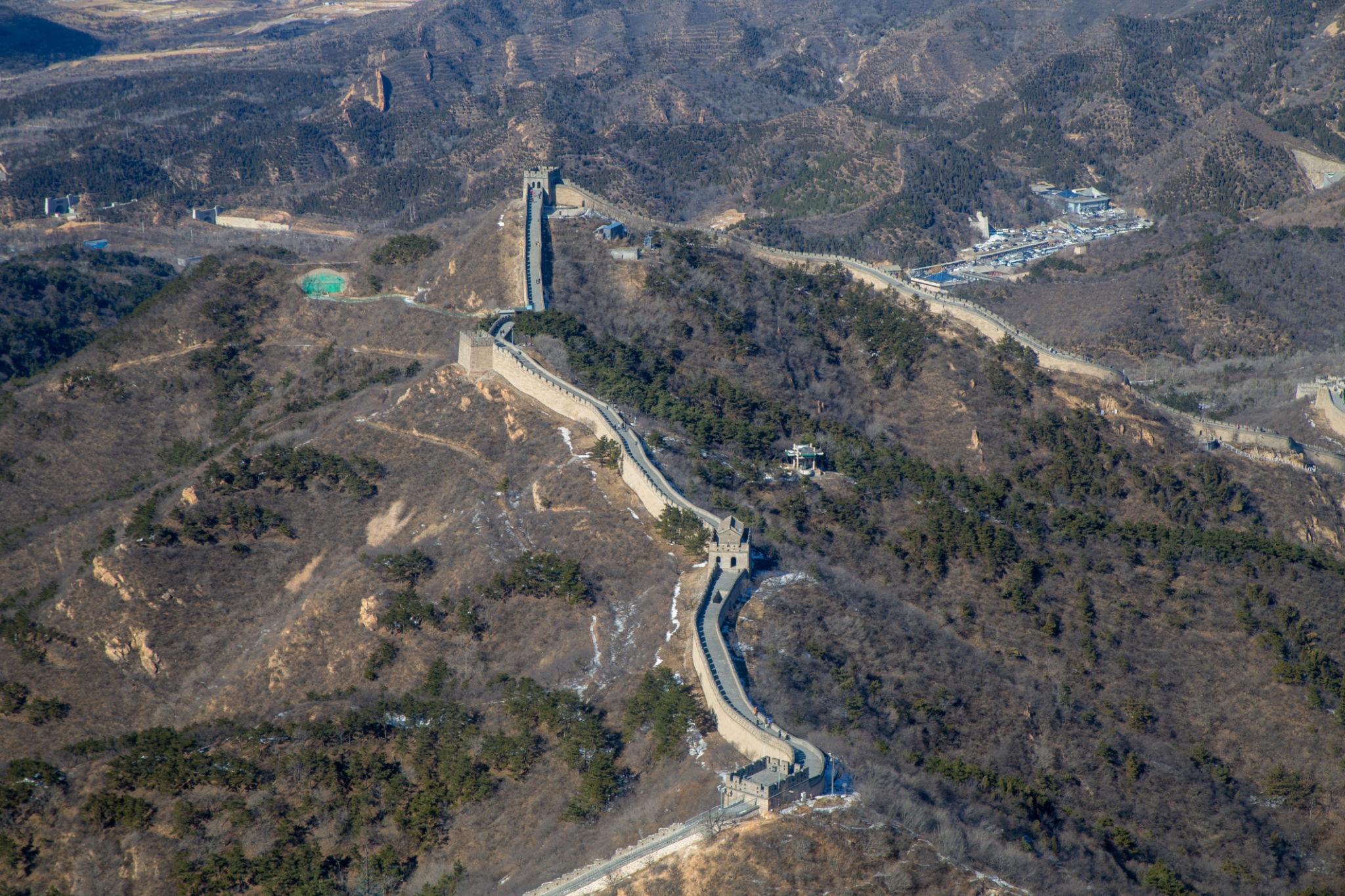
The Great Wall of China – Imperial Defense System
The Great Wall was constructed over centuries by multiple dynasties, adapting to geography rather than following a straight line. Built across mountain ridges, deserts, and grasslands, it served not only as a military barrier but also as a border control system, regulating trade, migration, and military movement. Watchtowers functioned as communication points using smoke and fire signals, allowing rapid transmission of information across vast distances. Walking the wall reveals how China used terrain strategically to defend civilization itself.
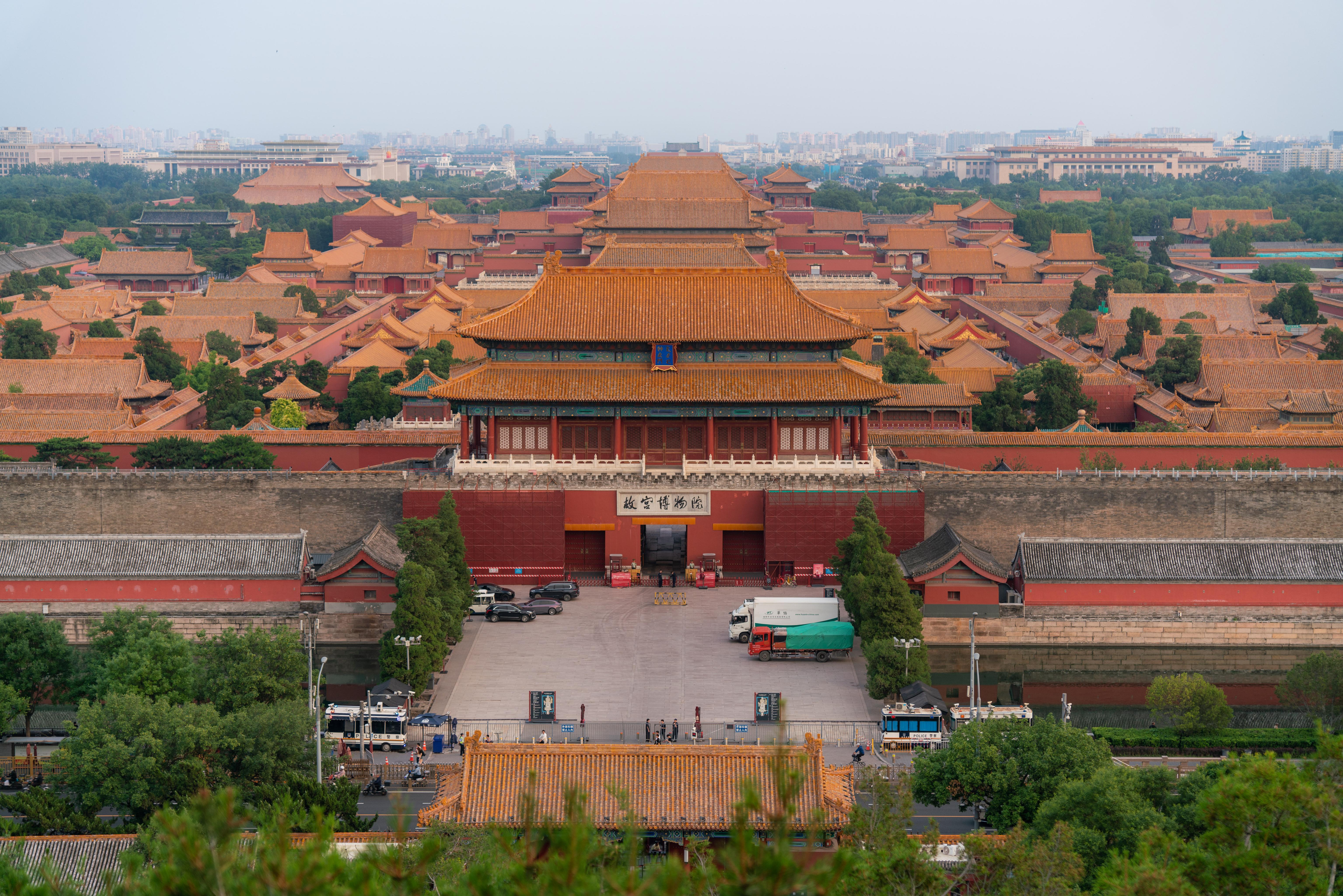
Beijing – Political, Ritual, and Cosmic Capital
Beijing was designed according to cosmological principles, aligning power with heaven and earth. The Forbidden City was not merely a palace but a ritual center where architecture symbolized hierarchy, order, and imperial legitimacy. Every gate, courtyard, and hall followed strict rules reflecting Confucian philosophy. Surrounding temples and ceremonial spaces reinforced the emperor’s role as the “Son of Heaven,” making Beijing a living expression of political and spiritual authority.
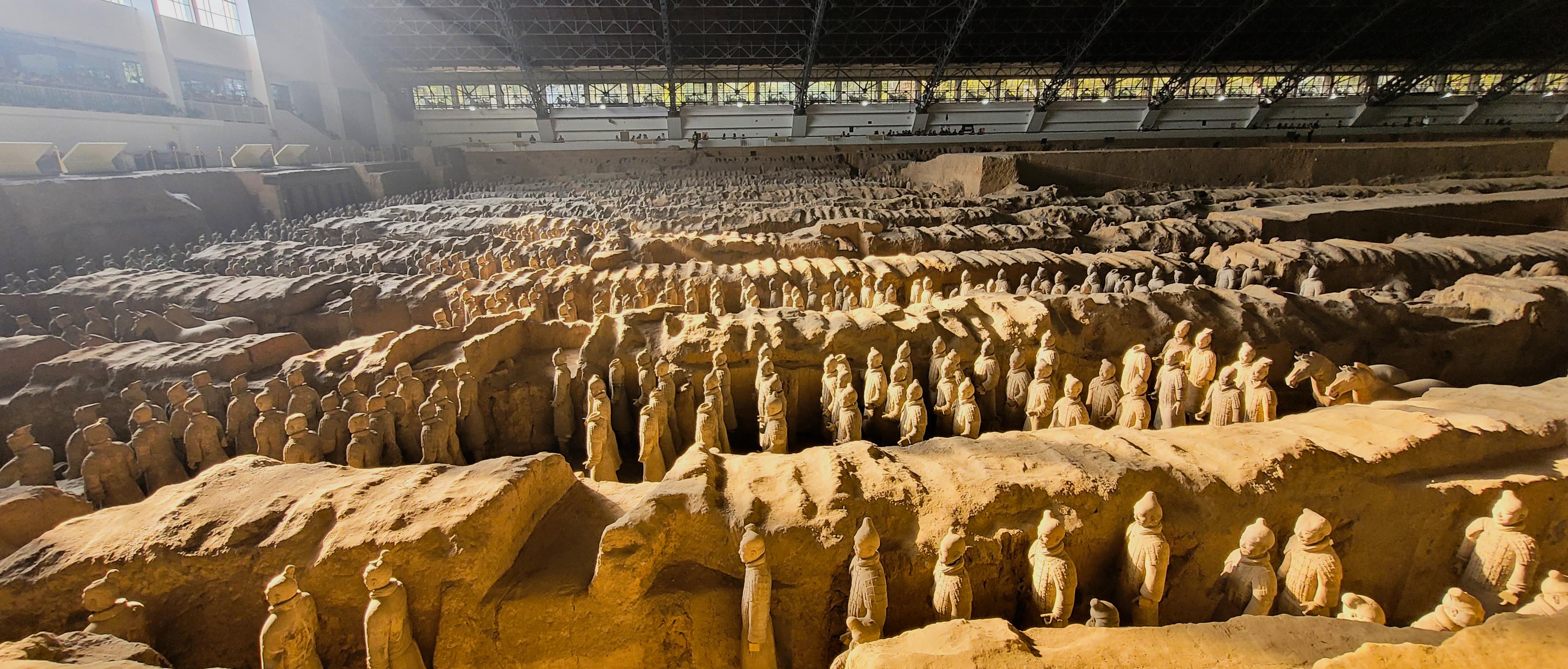
Xi’an – Origin of Imperial China
Xi’an represents China’s foundational phase. As the eastern terminus of the Silk Road, it connected China to Central Asia, the Middle East, and Europe. The Terracotta Army is significant not only for its scale but because every figure is unique, reflecting the belief that power, identity, and the afterlife were inseparable. The city walls, layout, and burial complexes demonstrate how early Chinese empires organized military power, urban planning, and cosmology together.
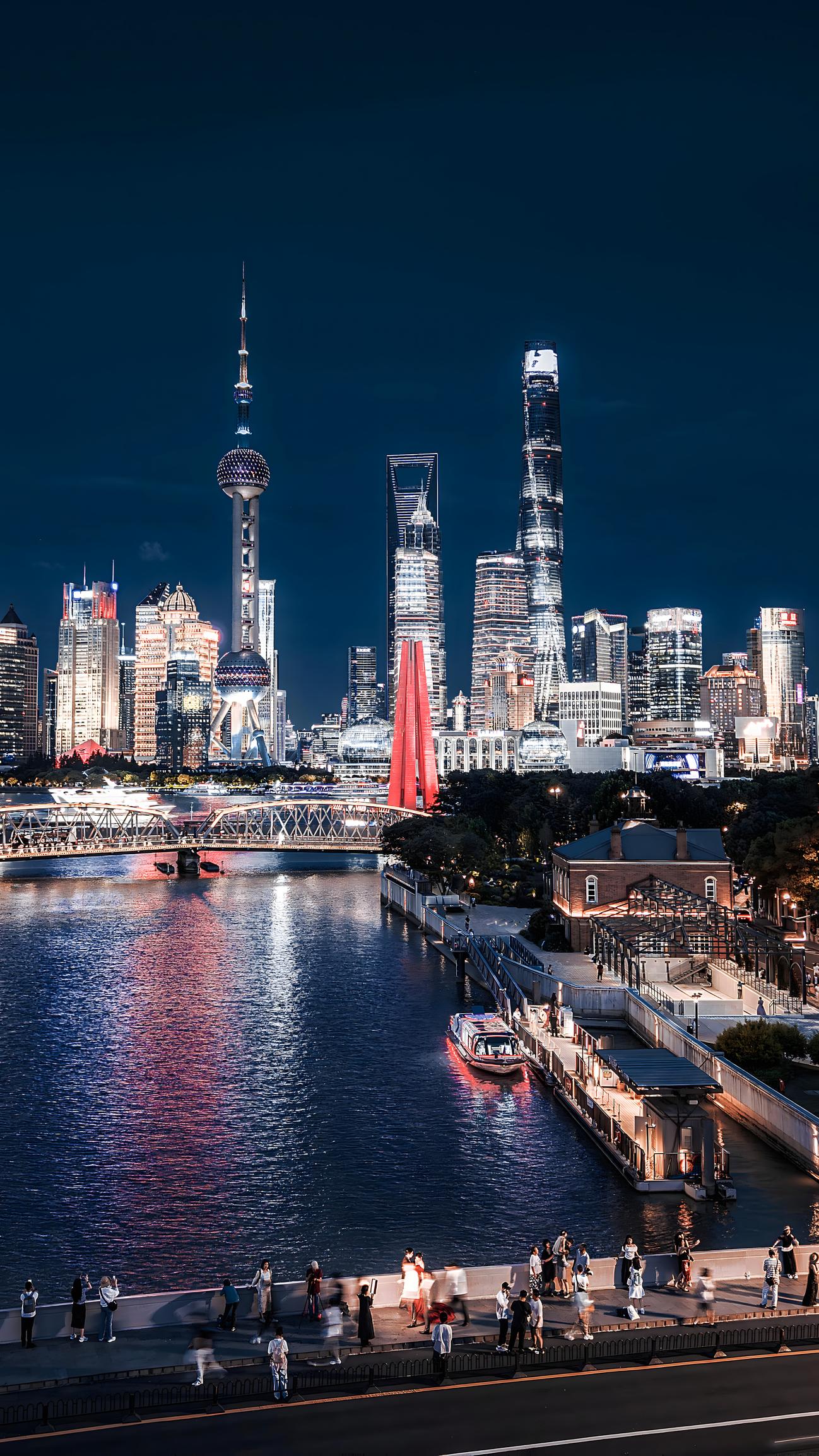
Shanghai – Transformation and Global Identity
Shanghai illustrates China’s transition into modernity. Colonial-era districts reveal foreign influence, while towering skylines demonstrate economic ambition. The city’s significance lies in how traditional Chinese society adapted to global trade, capitalism, and urban density without losing cultural continuity. Shanghai represents China’s outward-facing identity.
Guilin & Li River – Landscape Philosophy
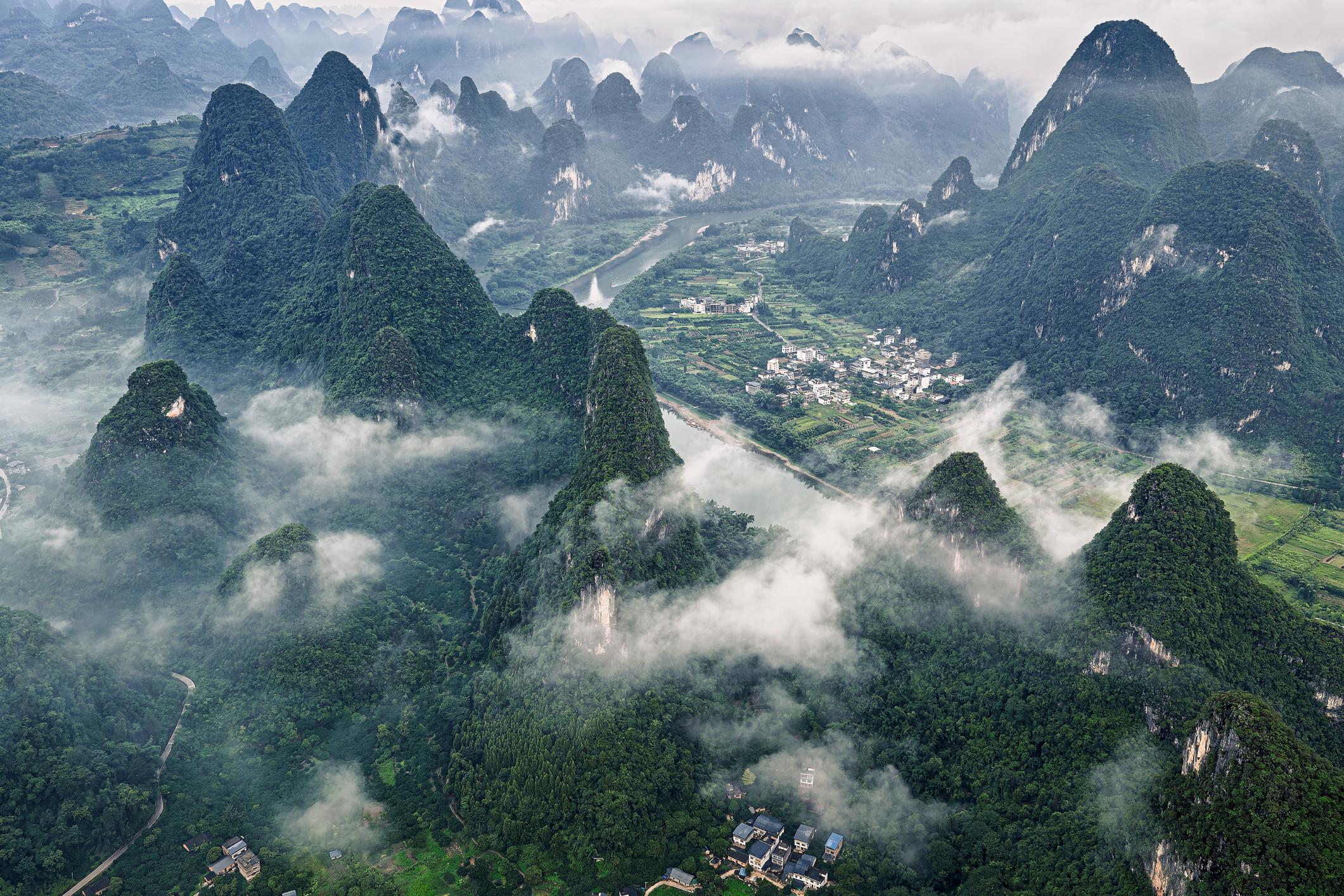
Guilin’s karst landscape represents the quintessential Chinese aesthetic of harmony between water and stone. The Li River winds through limestone peaks that have inspired centuries of poetry and painting. This region embodies the philosophical concept of "shan-shui" (mountain-water), where nature is seen as a reflection of cosmic balance.
Where Ancient Meets Modern
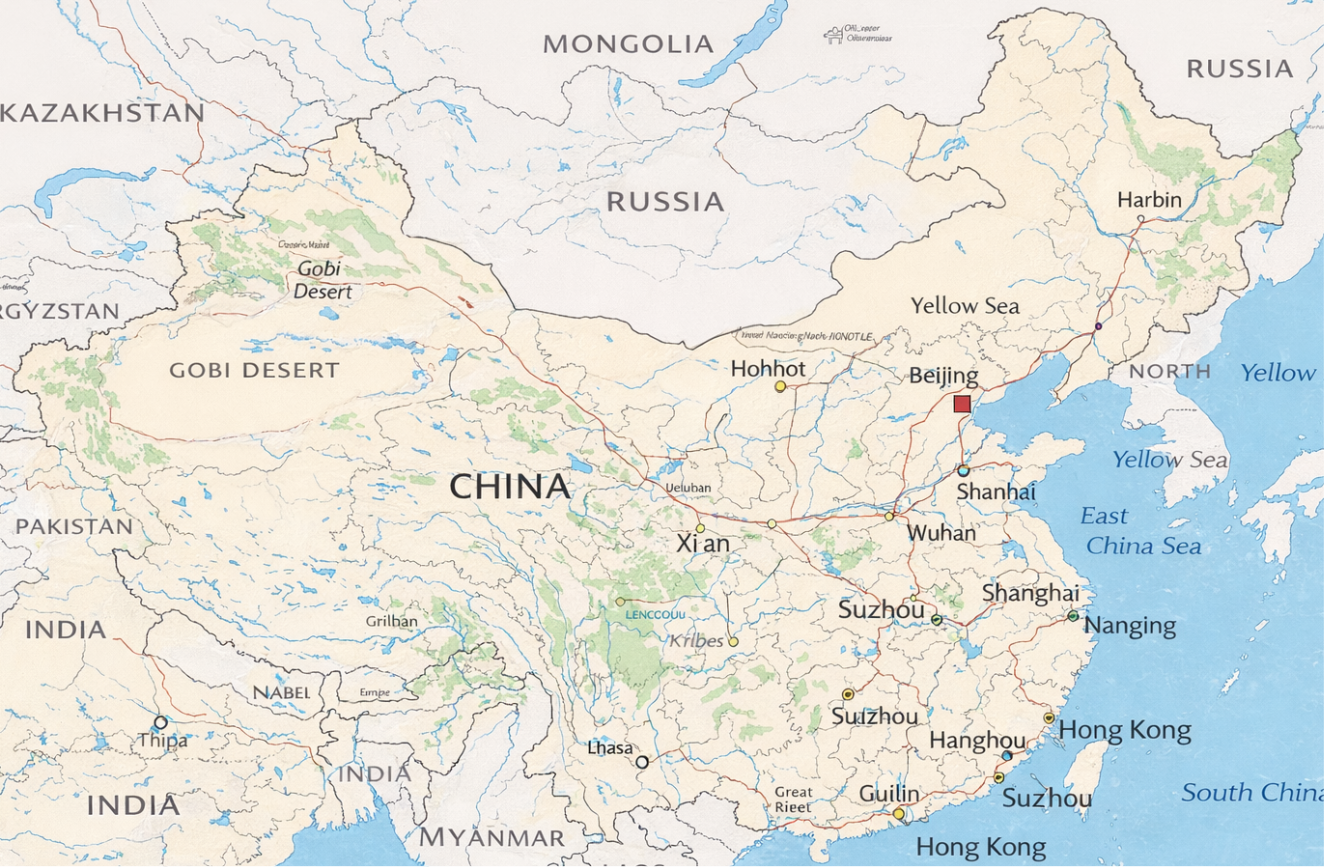
China is not defined by one era but by continuous civilization. Its places are meaningful because they were actively used for governance, religion, defense, and trade over thousands of years, not preserved as isolated monuments. China offers a journey through chapters of an ongoing civilization.
📍 The Great Wall of China – Imperial Defense System
The Great Wall was constructed over centuries by multiple dynasties, adapting to geography rather than following a straight line. Built across mountain ridges, deserts, and grasslands, it served not only as a military barrier but also as a border control system, regulating trade, migration, and military movement. Watchtowers functioned as communication points using smoke and fire signals, allowing rapid transmission of information across vast distances. Walking the wall reveals how China used terrain strategically to defend civilization itself.
📍 Beijing – Political, Ritual, and Cosmic Capital
Beijing was designed according to cosmological principles, aligning power with heaven and earth. The Forbidden City was not merely a palace but a ritual center where architecture symbolized hierarchy, order, and imperial legitimacy. Every gate, courtyard, and hall followed strict rules reflecting Confucian philosophy. Surrounding temples and ceremonial spaces reinforced the emperor’s role as the “Son of Heaven,” making Beijing a living expression of political and spiritual authority.
📍 Xi’an – Origin of Imperial China
Xi’an represents China’s foundational phase. As the eastern terminus of the Silk Road, it connected China to Central Asia, the Middle East, and Europe. The Terracotta Army is significant not only for its scale but because every figure is unique, reflecting the belief that power, identity, and the afterlife were inseparable. The city walls, layout, and burial complexes demonstrate how early Chinese empires organized military power, urban planning, and cosmology together.
📍 Shanghai – Transformation and Global Identity
Shanghai illustrates China’s transition into modernity. Colonial-era districts reveal foreign influence, while towering skylines demonstrate economic ambition. The city’s significance lies in how traditional Chinese society adapted to global trade, capitalism, and urban density without losing cultural continuity. Shanghai represents China’s outward-facing identity.
📍 Guilin & Li River – Landscape Philosophy
Guilin’s karst landscape represents the quintessential Chinese aesthetic of harmony between water and stone. The Li River winds through limestone peaks that have inspired centuries of poetry and painting. This region embodies the philosophical concept of "shan-shui" (mountain-water), where nature is seen as a reflection of cosmic balance.