
Europe
Historic cities, romantic architecture, and diverse cultures.
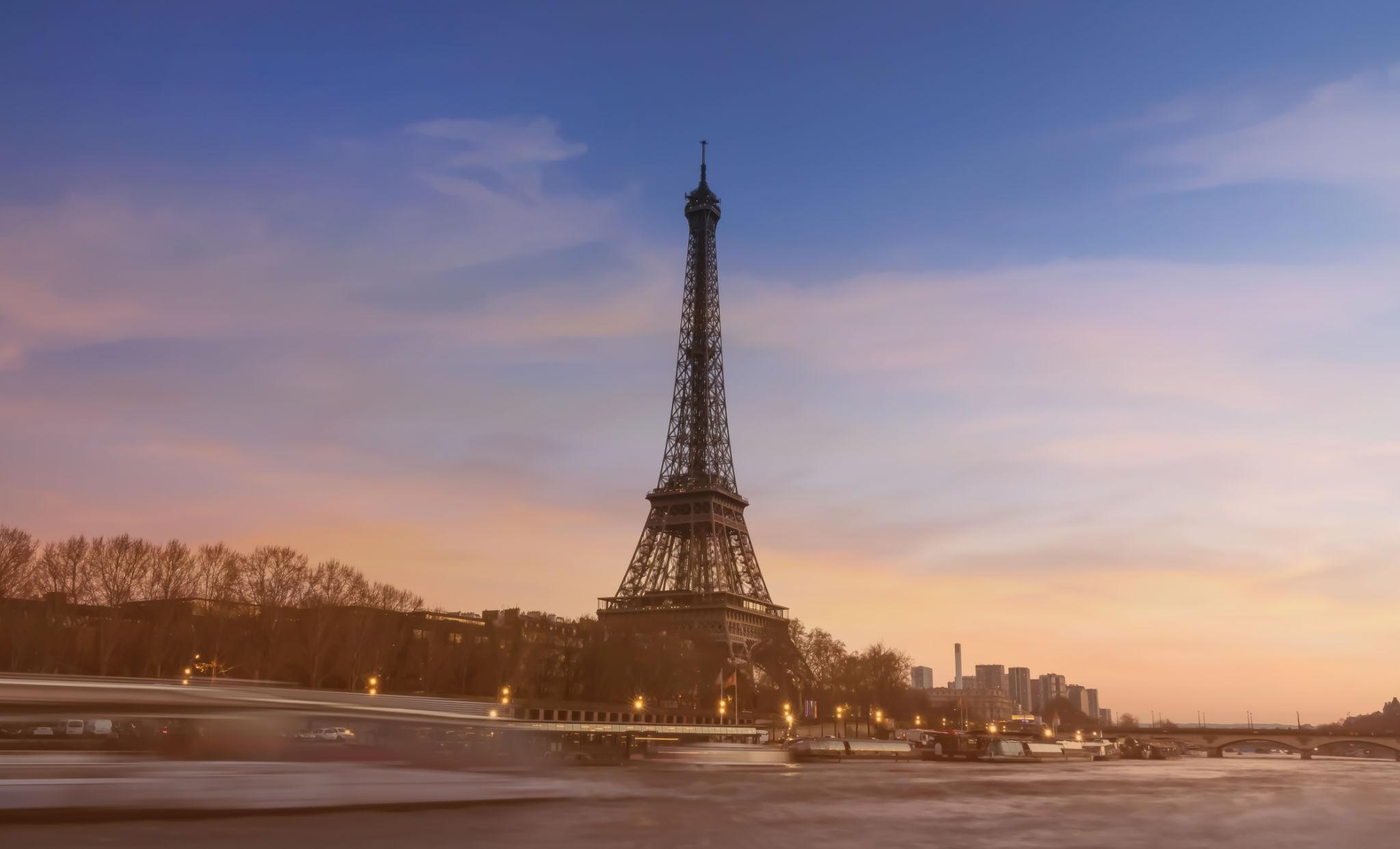
Paris, France – Cultural & Artistic Capital
Paris is one of the most visited cities in the world because it represents Europe's artistic, intellectual, and architectural identity. The city developed around the River Seine and has preserved its historic layout for centuries. The Eiffel Tower symbolizes industrial-era innovation, while the Louvre Museum houses priceless artworks that shaped European and global culture. Notre-Dame Cathedral represents Gothic religious architecture and Europe's deep Christian heritage. Paris is also known for grand boulevards, historic bridges, and preserved neighborhoods that reflect life across different centuries.
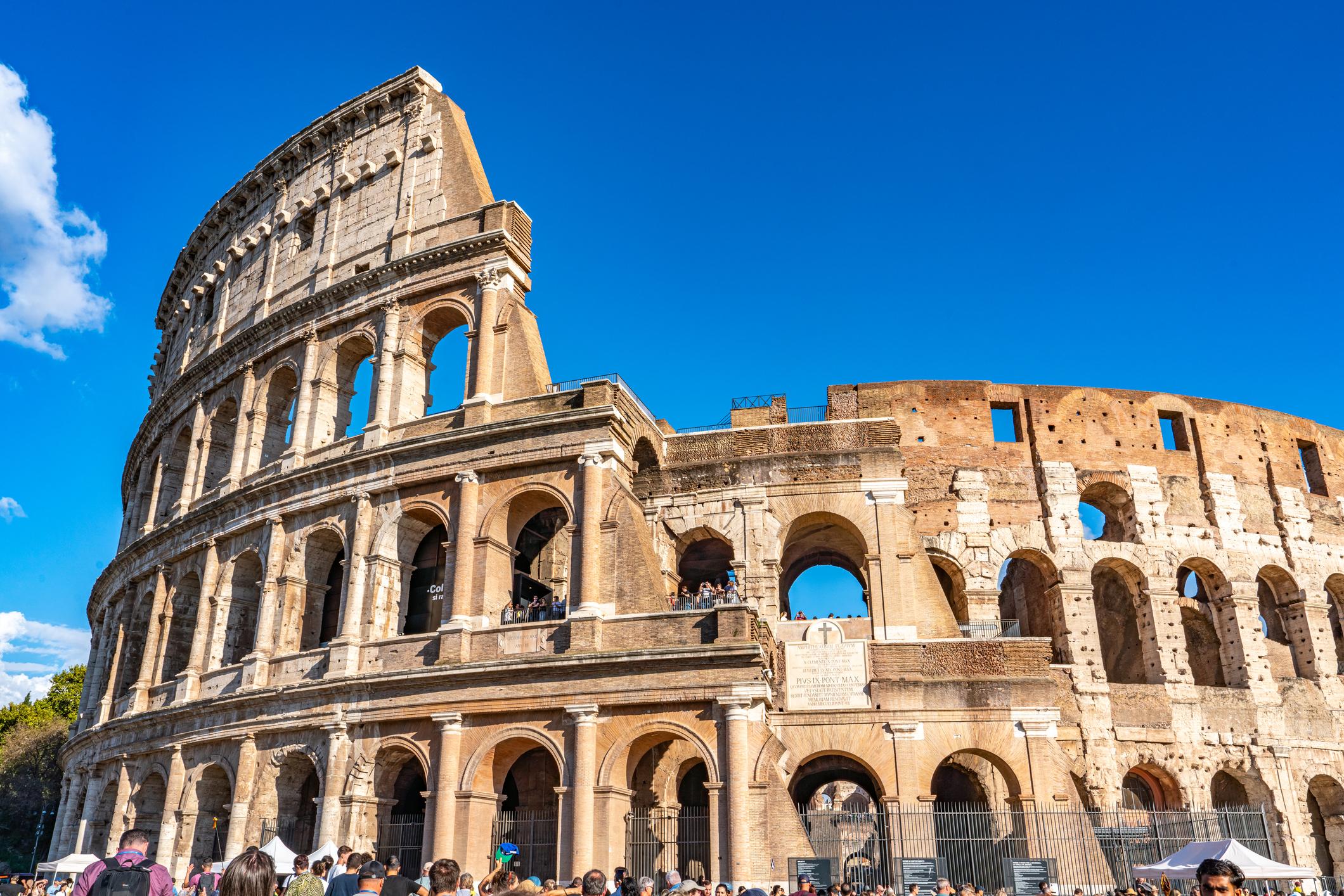
Rome, Italy – Foundation of Western Civilization
Rome is one of the most historically important cities on Earth. As the center of the Roman Empire, it influenced law, governance, engineering, and architecture across Europe and beyond. The Colosseum demonstrates ancient Roman engineering and public life, while the Roman Forum reveals the political and social heart of the empire. Vatican City, located within Rome, is the spiritual center of the Catholic world and home to St. Peter's Basilica and priceless religious art.
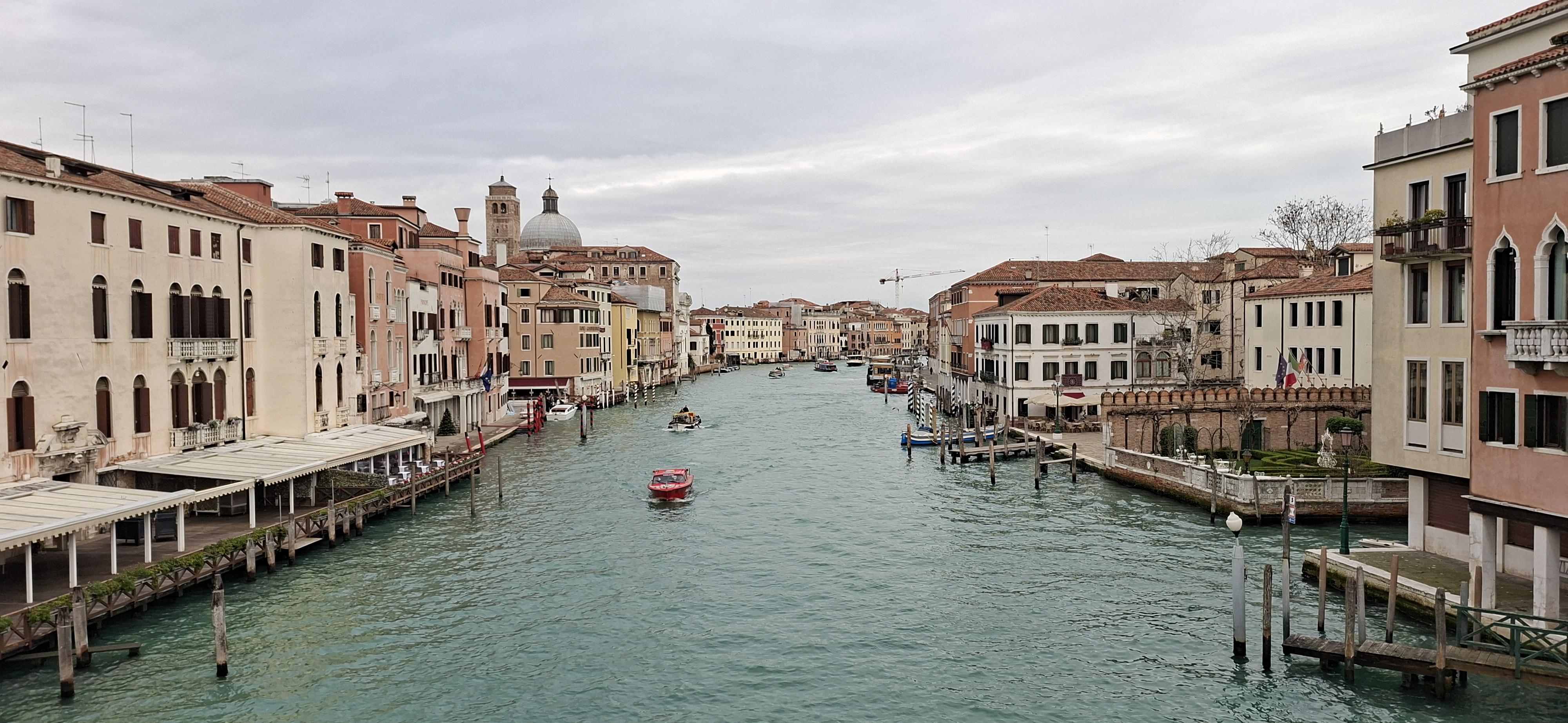
Florence & Venice, Italy – Renaissance & Maritime Power
Florence is the birthplace of the Renaissance, a period that transformed European art, science, and philosophy. The city is filled with historic churches, palaces, and museums that showcase masterpieces influencing Western thought. Venice, built entirely on canals, represents Europe’s maritime trading power. Its palaces, bridges, and narrow waterways reflect centuries of trade, diplomacy, and artistic wealth. Venice is unique because its urban structure has remained largely unchanged for hundreds of years.
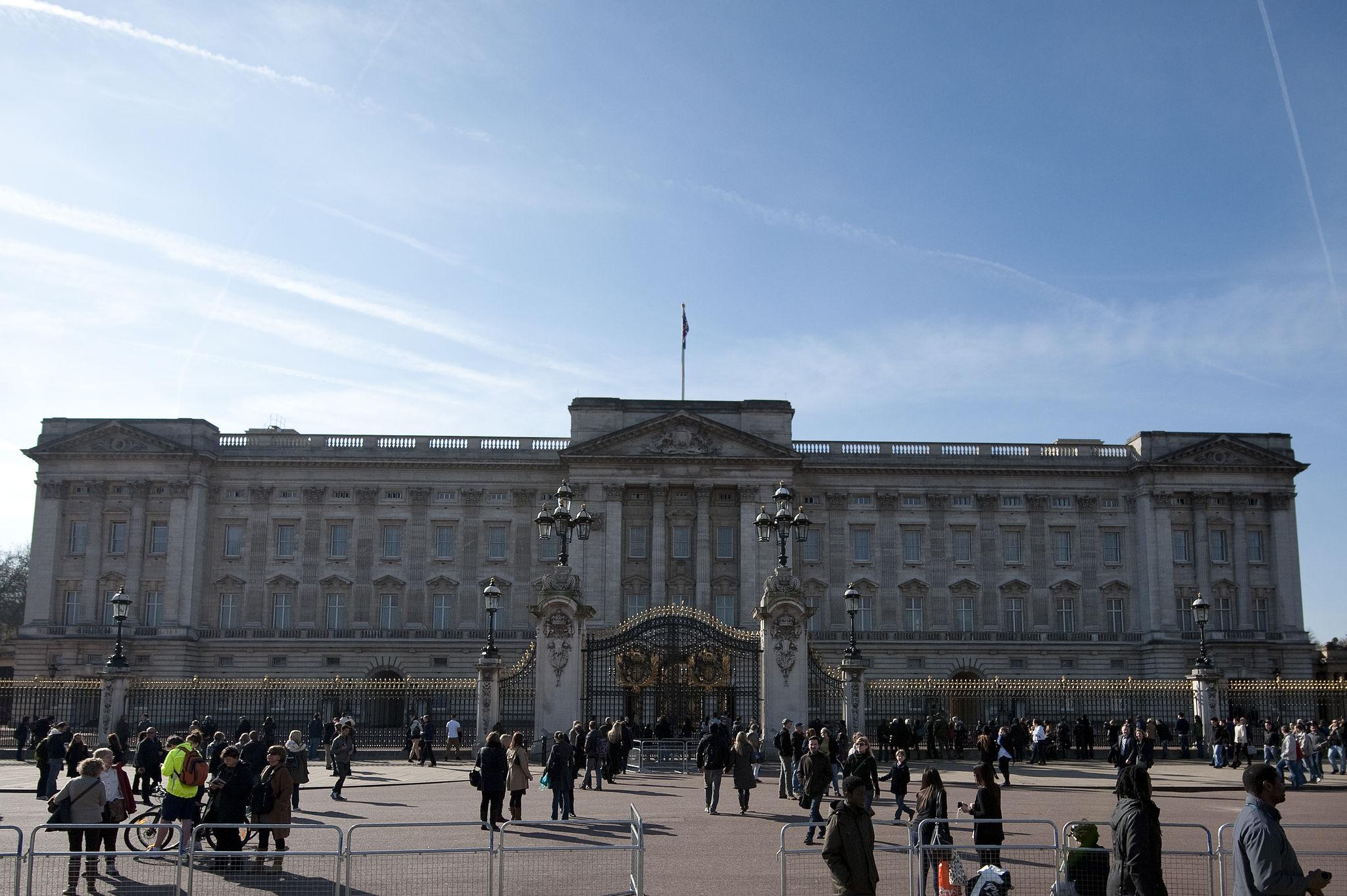
London, United Kingdom – Royal & Political Heritage
London is one of Europe’s most influential cities, shaped by monarchy, empire, and modern democracy. Landmarks such as Buckingham Palace, Tower of London, and Westminster Abbey reflect centuries of royal power and political evolution. The city also played a major role in the Industrial Revolution and global trade, making it a key destination for understanding Europe’s global influence. London blends historic districts with modern institutions, representing continuity and change.
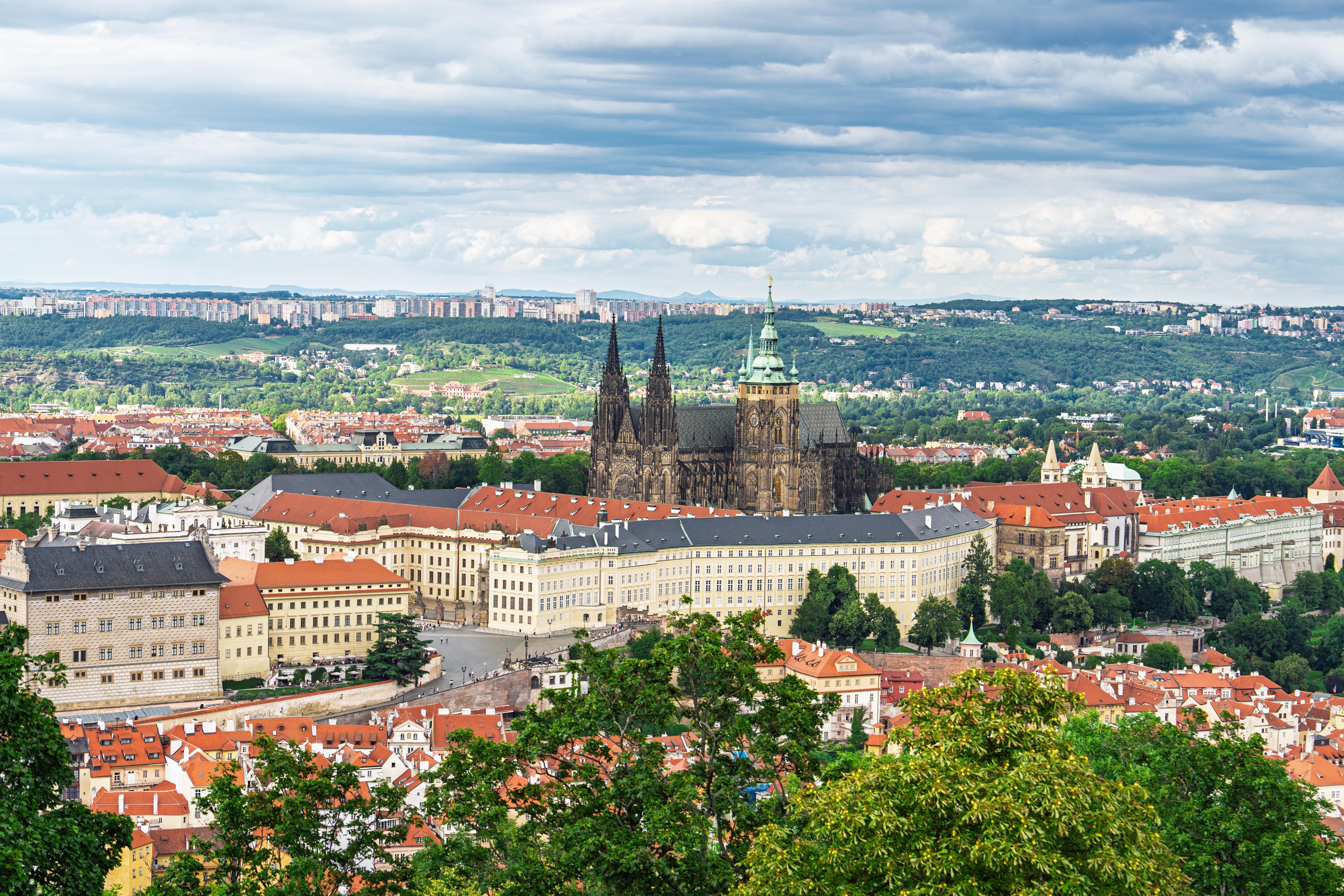
Prague, Czech Republic – Medieval Europe Preserved
Prague is one of Europe’s best-preserved medieval cities. Its historic center survived major wars, allowing visitors to experience Gothic, Baroque, and Renaissance architecture in near-original form. The Prague Castle, old town squares, and stone bridges reflect life in medieval Europe. Walking through Prague feels like stepping into a historical period where urban design, religious buildings, and royal structures remain intact.
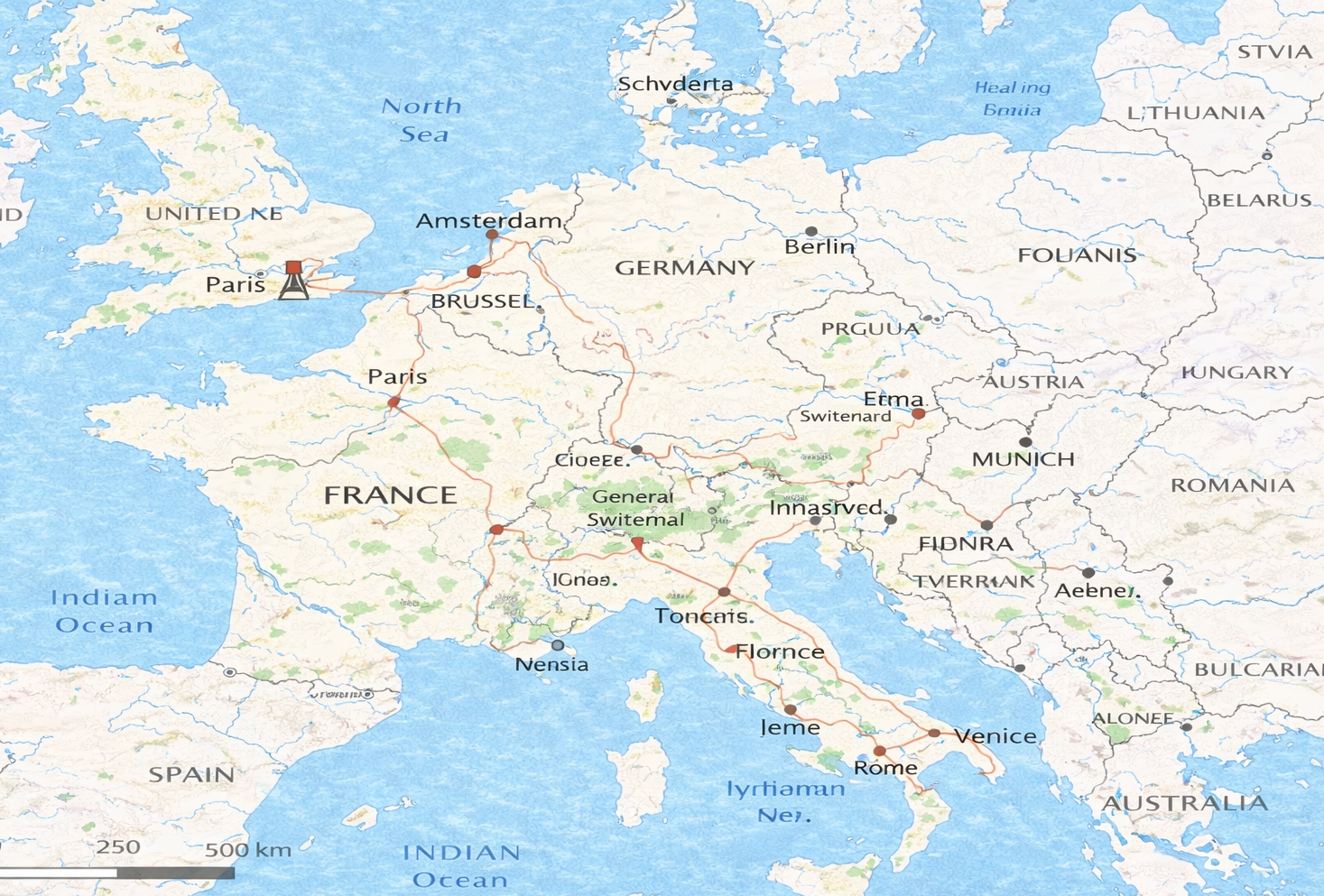
A Tapestry of History & Culture
Europe is not a single travel experience but a collection of many civilizations layered over time. Every major place in Europe represents a different historical era—Roman empires, medieval kingdoms, religious power centers, Renaissance art hubs, and modern political capitals. Sightseeing in Europe is about walking through history.
📍 Paris, France – Cultural & Artistic Capital
Paris is one of the most visited cities in the world because it represents Europe's artistic, intellectual, and architectural identity. The city developed around the River Seine and has preserved its historic layout for centuries. The Eiffel Tower symbolizes industrial-era innovation, while the Louvre Museum houses priceless artworks that shaped European and global culture. Notre-Dame Cathedral represents Gothic religious architecture and Europe's deep Christian heritage. Paris is also known for grand boulevards, historic bridges, and preserved neighborhoods that reflect life across different centuries.
📍 Rome, Italy – Foundation of Western Civilization
Rome is one of the most historically important cities on Earth. As the center of the Roman Empire, it influenced law, governance, engineering, and architecture across Europe and beyond. The Colosseum demonstrates ancient Roman engineering and public life, while the Roman Forum reveals the political and social heart of the empire. Vatican City, located within Rome, is the spiritual center of the Catholic world and home to St. Peter's Basilica and priceless religious art.
📍 Florence & Venice, Italy – Renaissance & Maritime Power
Florence is the birthplace of the Renaissance, a period that transformed European art, science, and philosophy. The city is filled with historic churches, palaces, and museums that showcase masterpieces influencing Western thought. Venice, built entirely on canals, represents Europe’s maritime trading power. Its palaces, bridges, and narrow waterways reflect centuries of trade, diplomacy, and artistic wealth. Venice is unique because its urban structure has remained largely unchanged for hundreds of years.
📍 London, United Kingdom – Royal & Political Heritage
London is one of Europe’s most influential cities, shaped by monarchy, empire, and modern democracy. Landmarks such as Buckingham Palace, Tower of London, and Westminster Abbey reflect centuries of royal power and political evolution. The city also played a major role in the Industrial Revolution and global trade, making it a key destination for understanding Europe’s global influence. London blends historic districts with modern institutions, representing continuity and change.
📍 Prague, Czech Republic – Medieval Europe Preserved
Prague is one of Europe’s best-preserved medieval cities. Its historic center survived major wars, allowing visitors to experience Gothic, Baroque, and Renaissance architecture in near-original form. The Prague Castle, old town squares, and stone bridges reflect life in medieval Europe. Walking through Prague feels like stepping into a historical period where urban design, religious buildings, and royal structures remain intact.
📍 Swiss Alps, Switzerland – Natural Europe
The Swiss Alps represent Europe’s natural grandeur. Snow-covered mountains, alpine valleys, and clear lakes define the region. Towns and villages developed around mountain routes and trade passages, showing how Europeans adapted to extreme landscapes. The Alps are significant not only for scenery but also for shaping European borders, cultures, and transportation routes. The region offers insight into Europe’s relationship with nature and sustainable living.

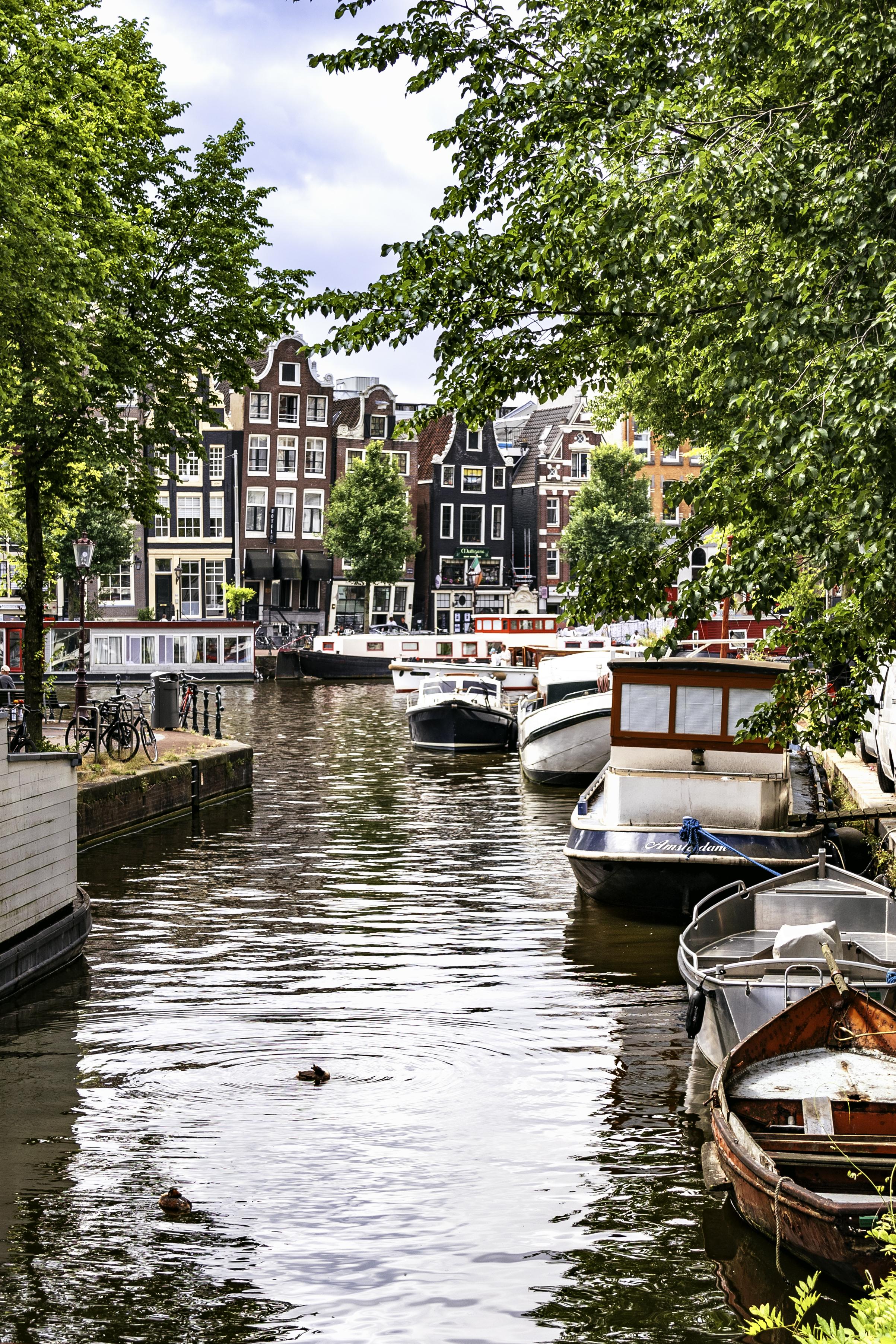
📍 Amsterdam, Netherlands – Trade & Cultural Freedom
Amsterdam grew as a powerful trading city during Europe’s Golden Age. Its canal system, merchant houses, and port infrastructure reflect the importance of maritime trade. The city also symbolizes Europe’s intellectual openness, religious tolerance, and artistic innovation. Museums, preserved streets, and historic waterways illustrate how commerce and culture developed together.
📍 Vienna, Austria – Imperial Europe
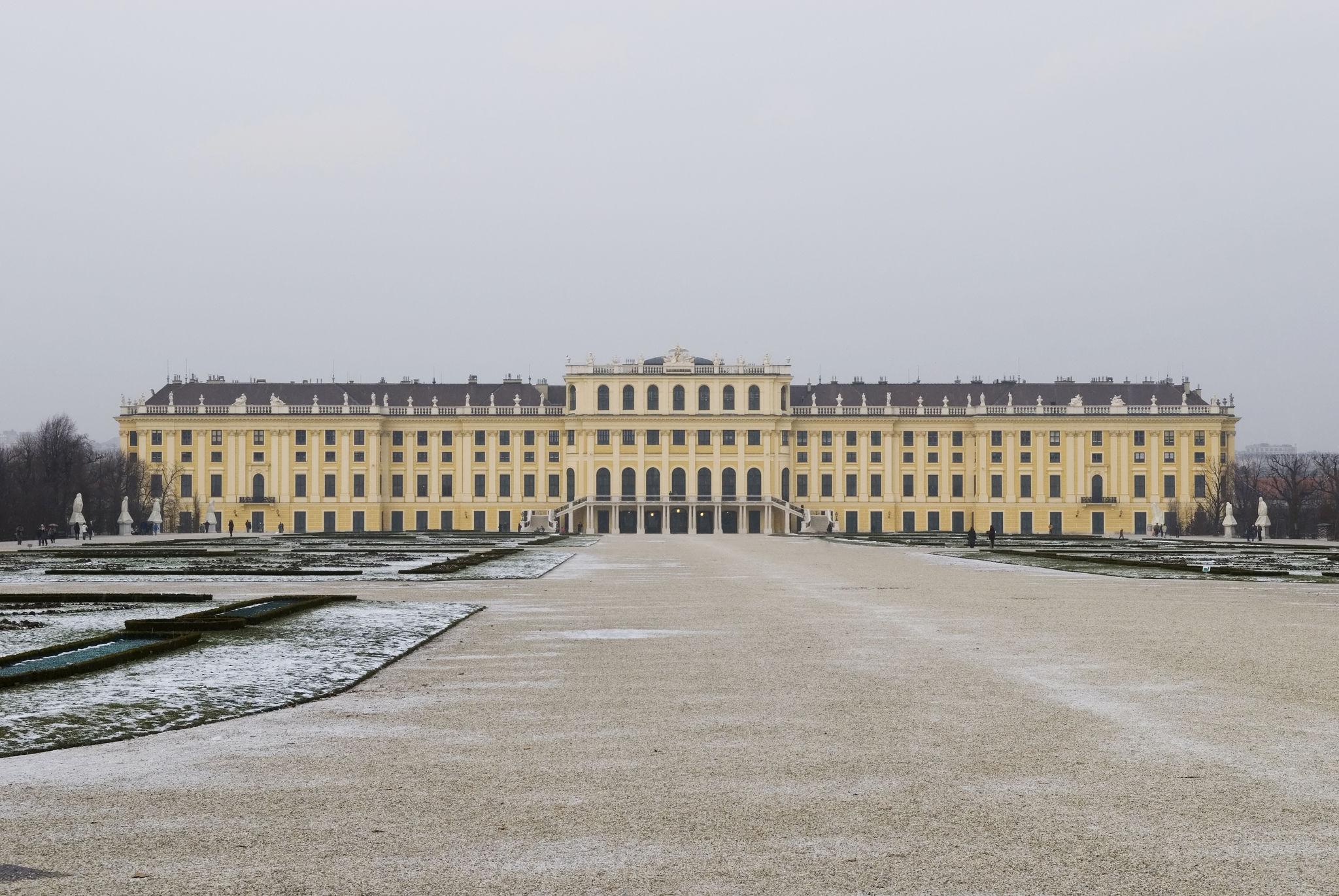
Vienna was the capital of the Habsburg Empire and represents Europe’s royal and musical heritage. Palaces, opera houses, and historic avenues reflect centuries of imperial power. Vienna played a central role in European politics, diplomacy, and classical music, making it important for understanding Europe’s aristocratic and cultural traditions.
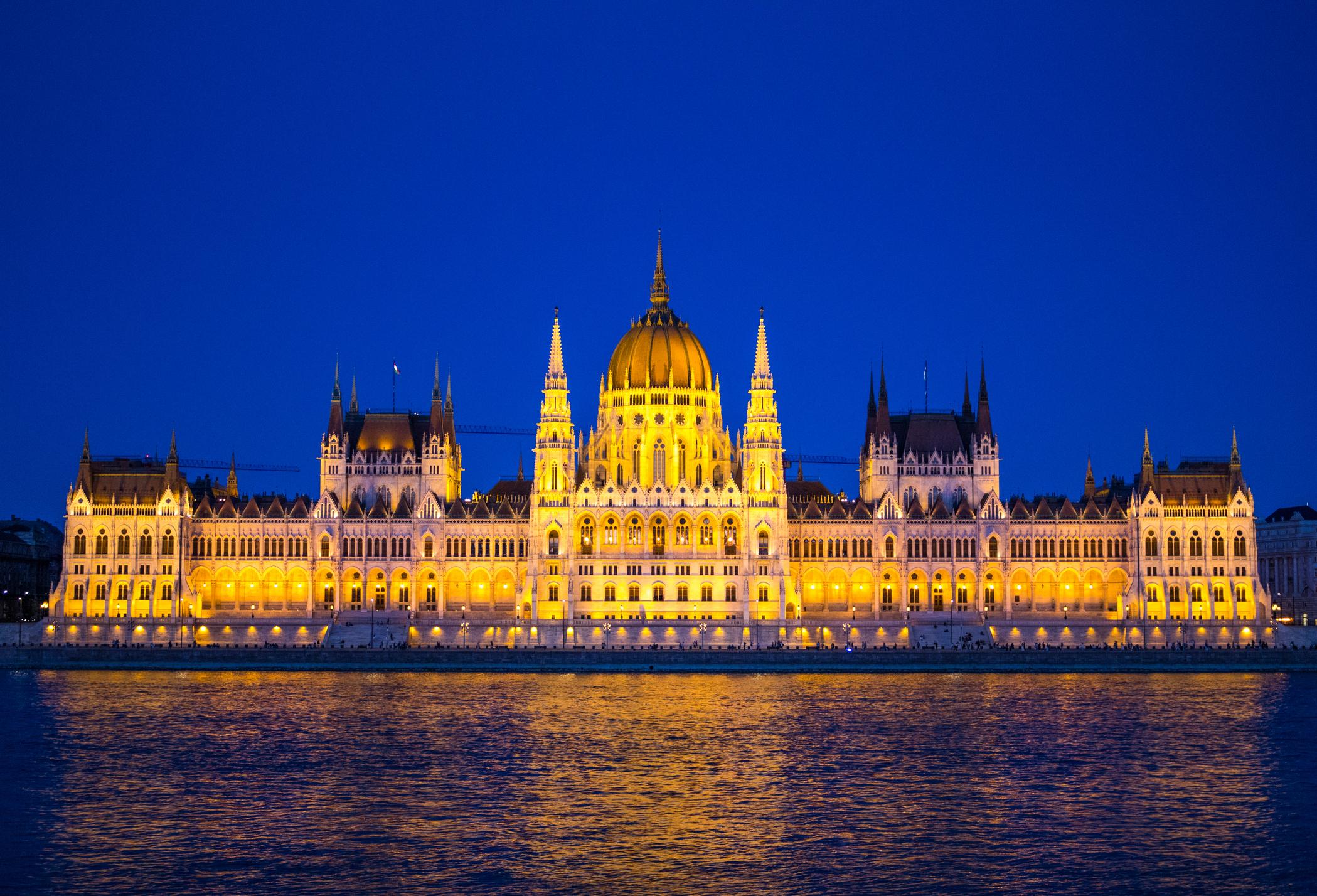
📍 Budapest, Hungary – Eastern European Grandeur
Budapest lies along the Danube River and showcases Eastern Europe’s blend of imperial architecture, religious heritage, and cultural resilience. The city’s historic buildings, bridges, and riverfront views highlight Europe’s eastern influence and the role of empires in shaping regional identity.