
Jordan
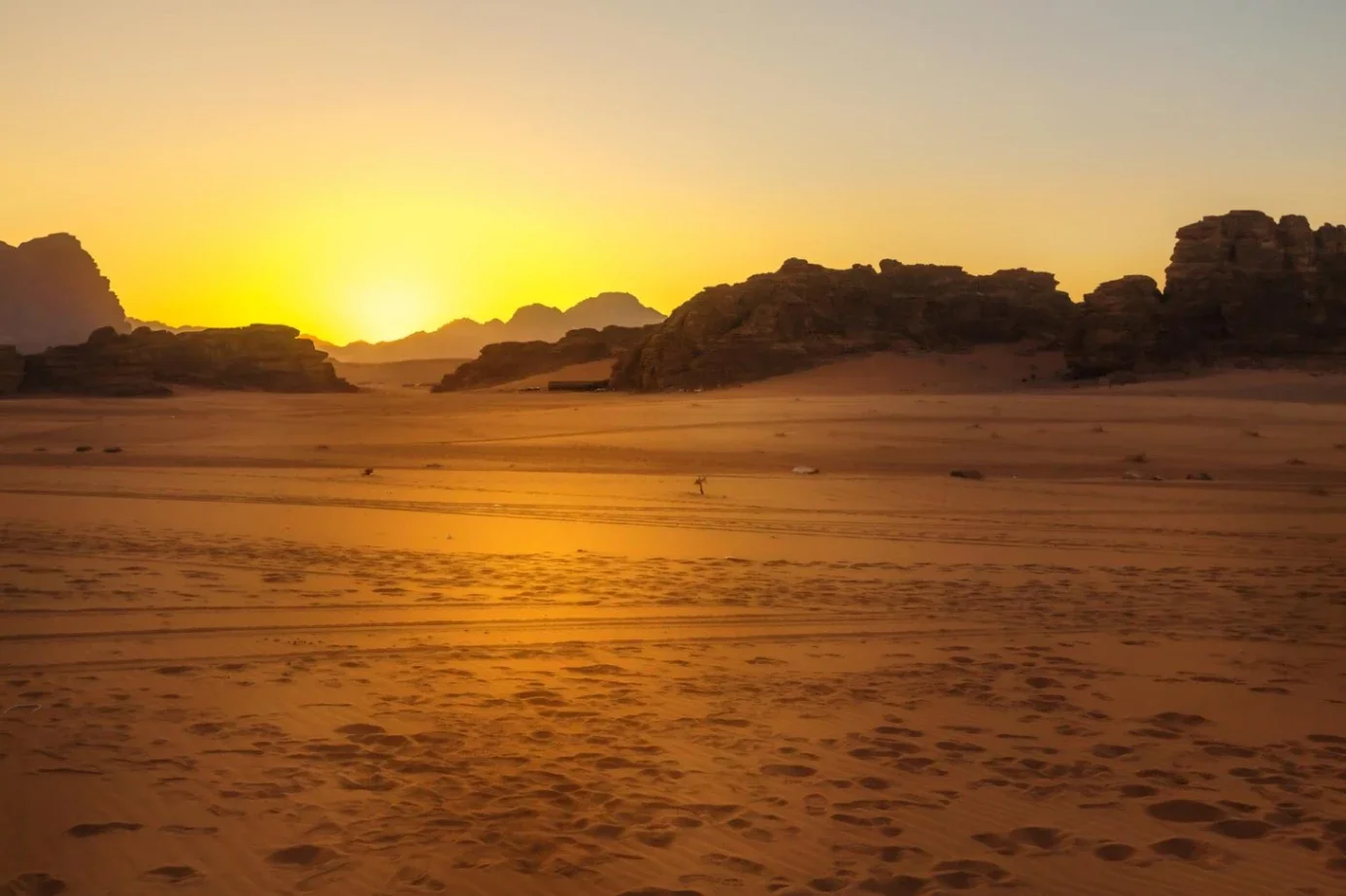
Ancient city of Petra, desert landscapes, and Dead Sea.
Petra – Engineered City of Stone
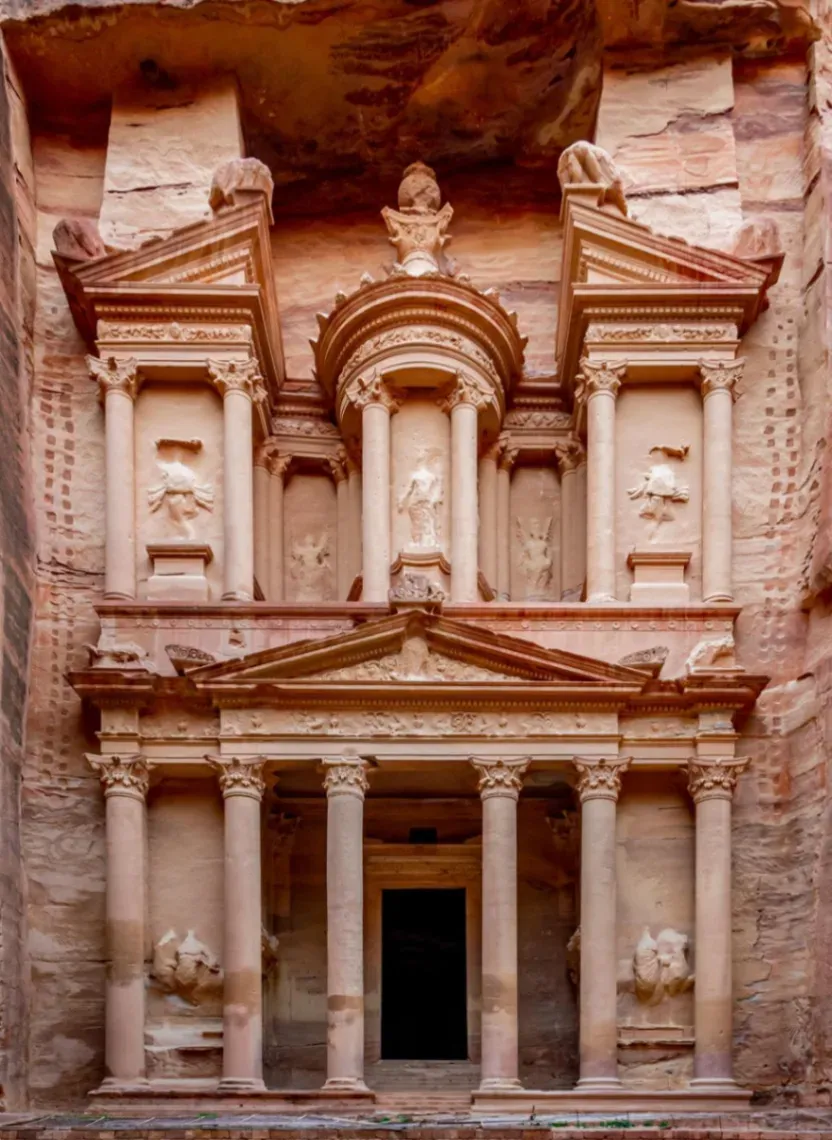
Petra was carved directly into sandstone cliffs, not built on top of land. Its location allowed control of trade routes linking Arabia, the Levant, and the Mediterranean. Water channels, cisterns, and flood-control systems reveal advanced engineering in a harsh desert environment. Petra's structures served religious, commercial, and administrative functions, making it a complete ancient city rather than a single monument.
Wadi Rum – Geological and Cultural Desert
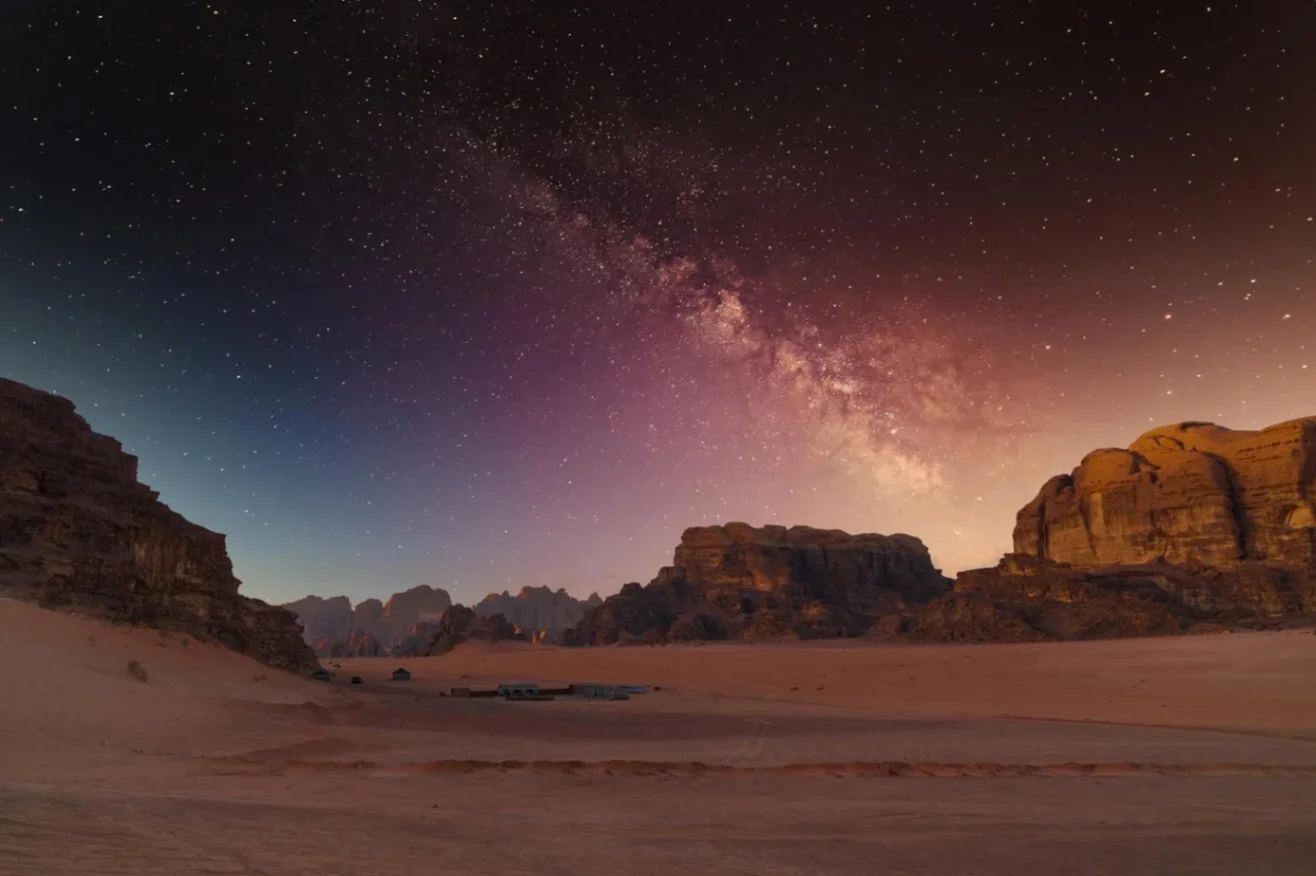
Wadi Rum's towering rock formations were shaped by wind erosion over millennia. The desert was historically used by nomadic tribes who navigated using stars and landmarks. The scale and silence of the landscape create a powerful sensory experience, emphasizing isolation and endurance.
Dead Sea – Geological Extreme
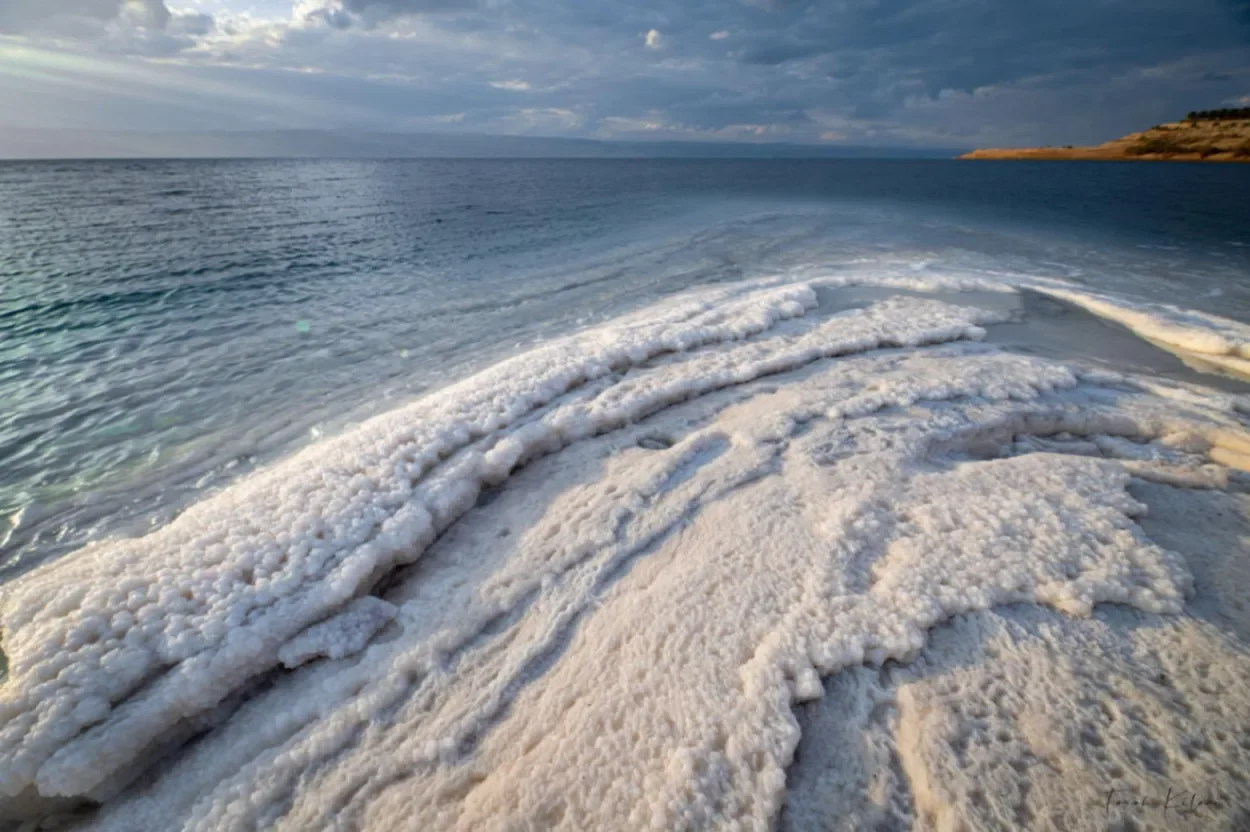
The Dead Sea lies at the lowest point on Earth. Its extreme salinity prevents life but creates buoyancy, turning the body itself into part of the experience. The surrounding cliffs and mineral-rich environment highlight the region's tectonic activity and unique geography.
Amman – Living Layers of History
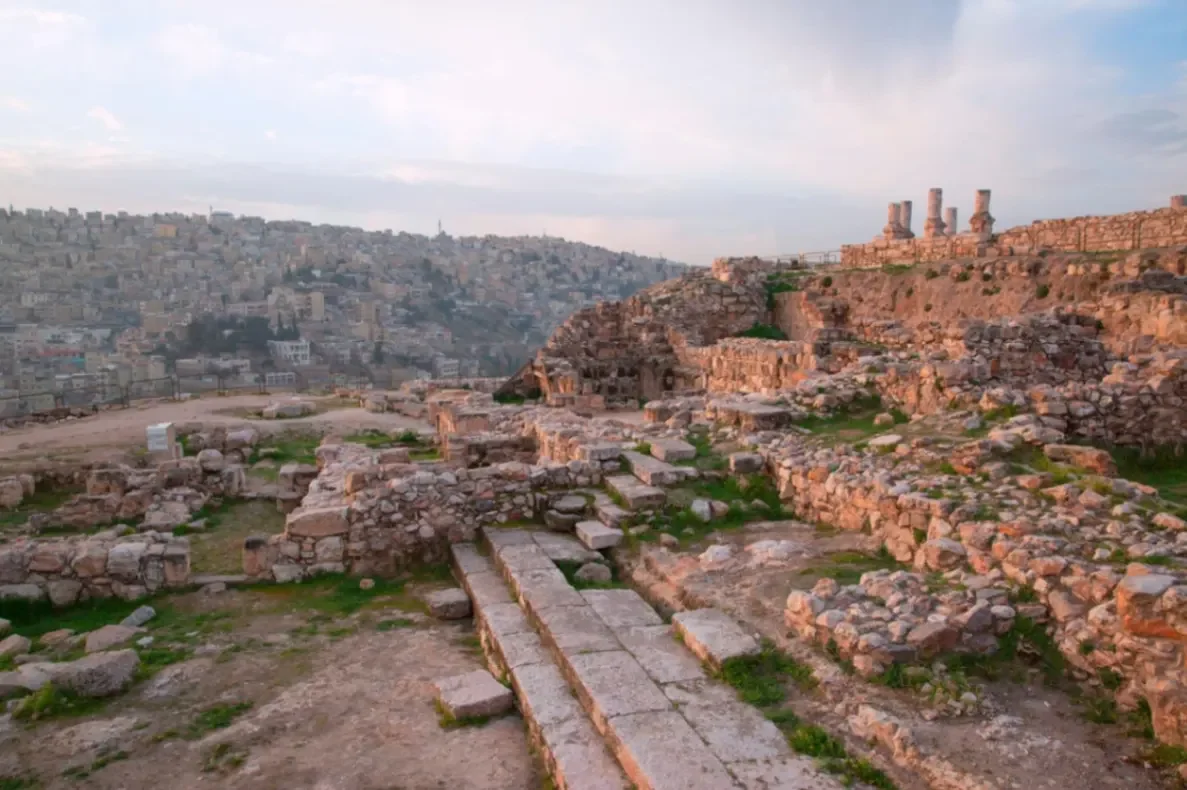
Amman, Jordan's capital, is a city where ancient Roman ruins coexist with modern development. The Citadel offers panoramic views of the city and showcases layers of history from different civilizations. Amman reflects Jordan's evolution from ancient trade hub to contemporary capital.
Jerash – Roman Legacy in the East
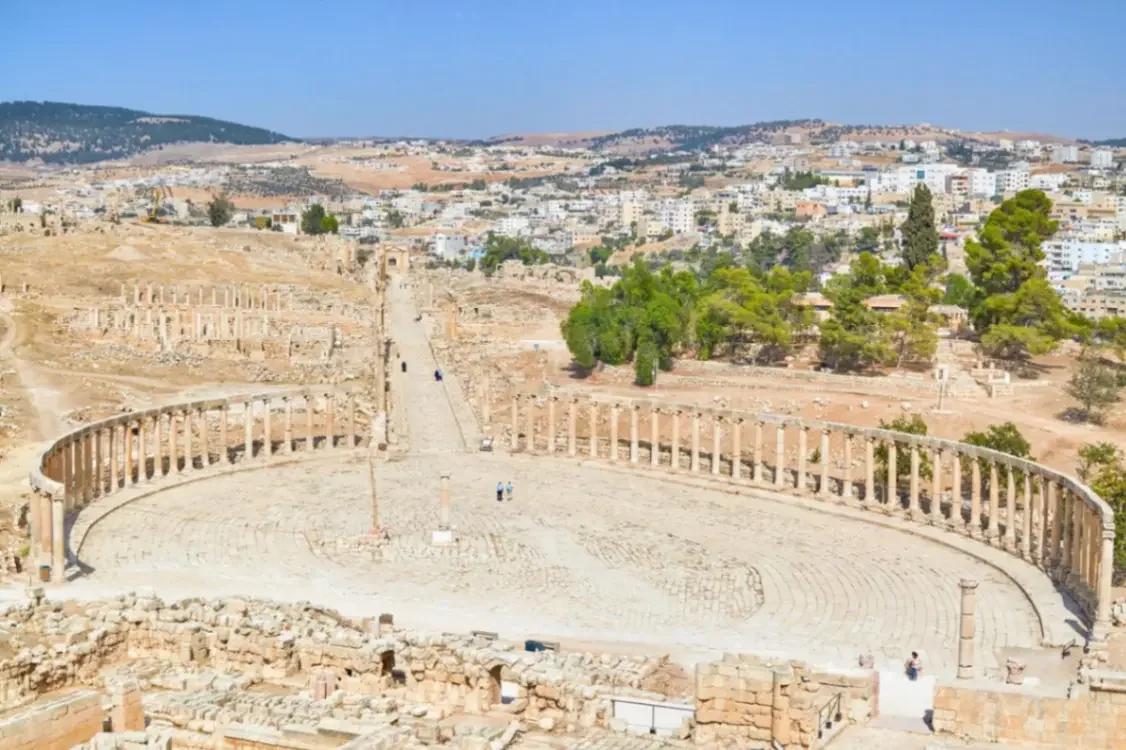
Jerash is one of the best-preserved Roman provincial cities in the world, featuring colonnaded streets, temples, theaters, and forums. The site reveals the extent of Roman influence in the region and offers insight into daily life in a prosperous ancient city.
Where Ancient Wonders Meet Desert Magic
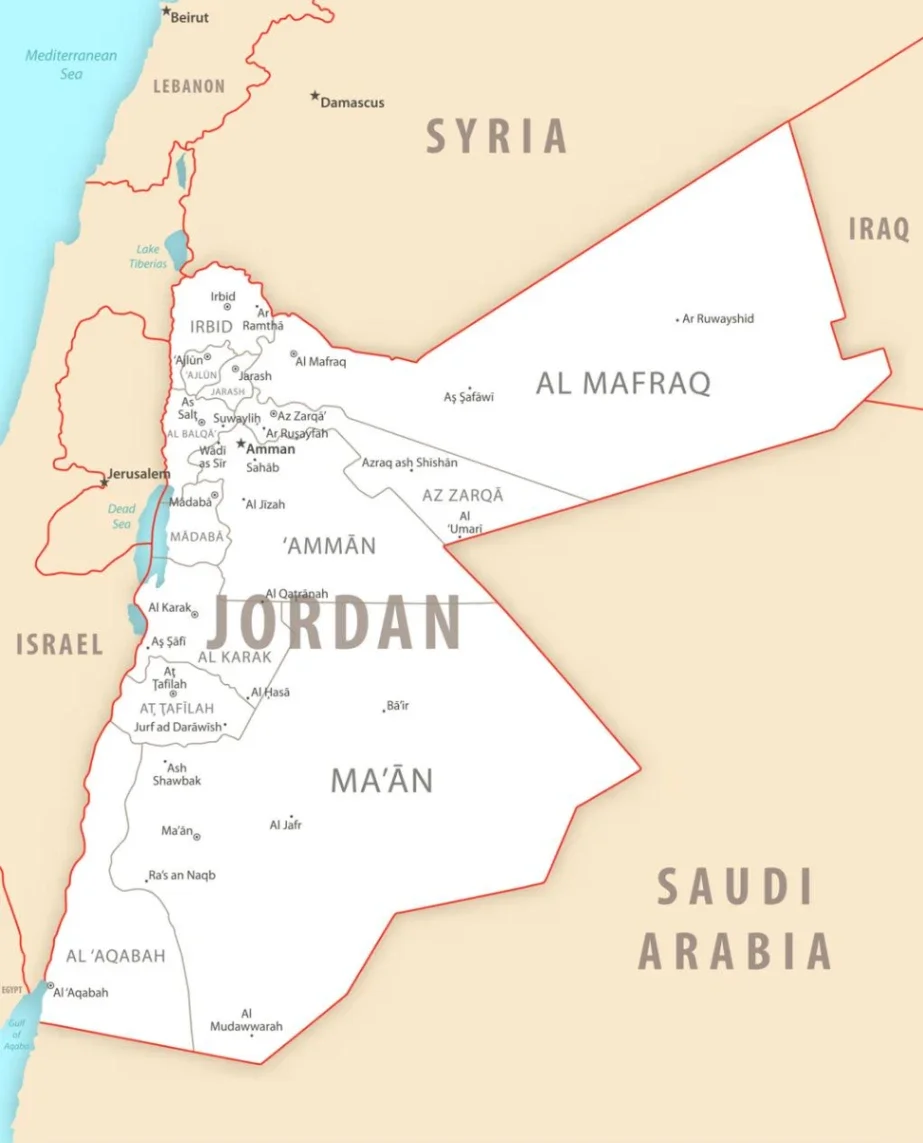
Jordan’s places are defined by trade, survival, and sacred geography. Its landscapes were shaped by caravans, empires, and religious pilgrimage. Jordan’s places are about endurance—of civilizations, trade routes, and landscapes.
📍 Petra – Engineered City of Stone
Petra was carved directly into sandstone cliffs, not built on top of land. Its location allowed control of trade routes linking Arabia, the Levant, and the Mediterranean. Water channels, cisterns, and flood-control systems reveal advanced engineering in a harsh desert environment. Petra's structures served religious, commercial, and administrative functions, making it a complete ancient city rather than a single monument.
📍 Wadi Rum – Geological and Cultural Desert
Wadi Rum's towering rock formations were shaped by wind erosion over millennia. The desert was historically used by nomadic tribes who navigated using stars and landmarks. The scale and silence of the landscape create a powerful sensory experience, emphasizing isolation and endurance.
📍 Dead Sea – Geological Extreme
The Dead Sea lies at the lowest point on Earth. Its extreme salinity prevents life but creates buoyancy, turning the body itself into part of the experience. The surrounding cliffs and mineral-rich environment highlight the region's tectonic activity and unique geography.
📍 Amman – Living Layers of History
Amman, Jordan's capital, is a city where ancient Roman ruins coexist with modern development. The Citadel offers panoramic views of the city and showcases layers of history from different civilizations. Amman reflects Jordan's evolution from ancient trade hub to contemporary capital.
📍 Jerash – Roman Legacy in the East
Jerash is one of the best-preserved Roman provincial cities in the world, featuring colonnaded streets, temples, theaters, and forums. The site reveals the extent of Roman influence in the region and offers insight into daily life in a prosperous ancient city.